
Work Anywhere, Win Everywhere: The Ultimate Guide to Activity-Based Working Success
10 May, 2023
5 min read
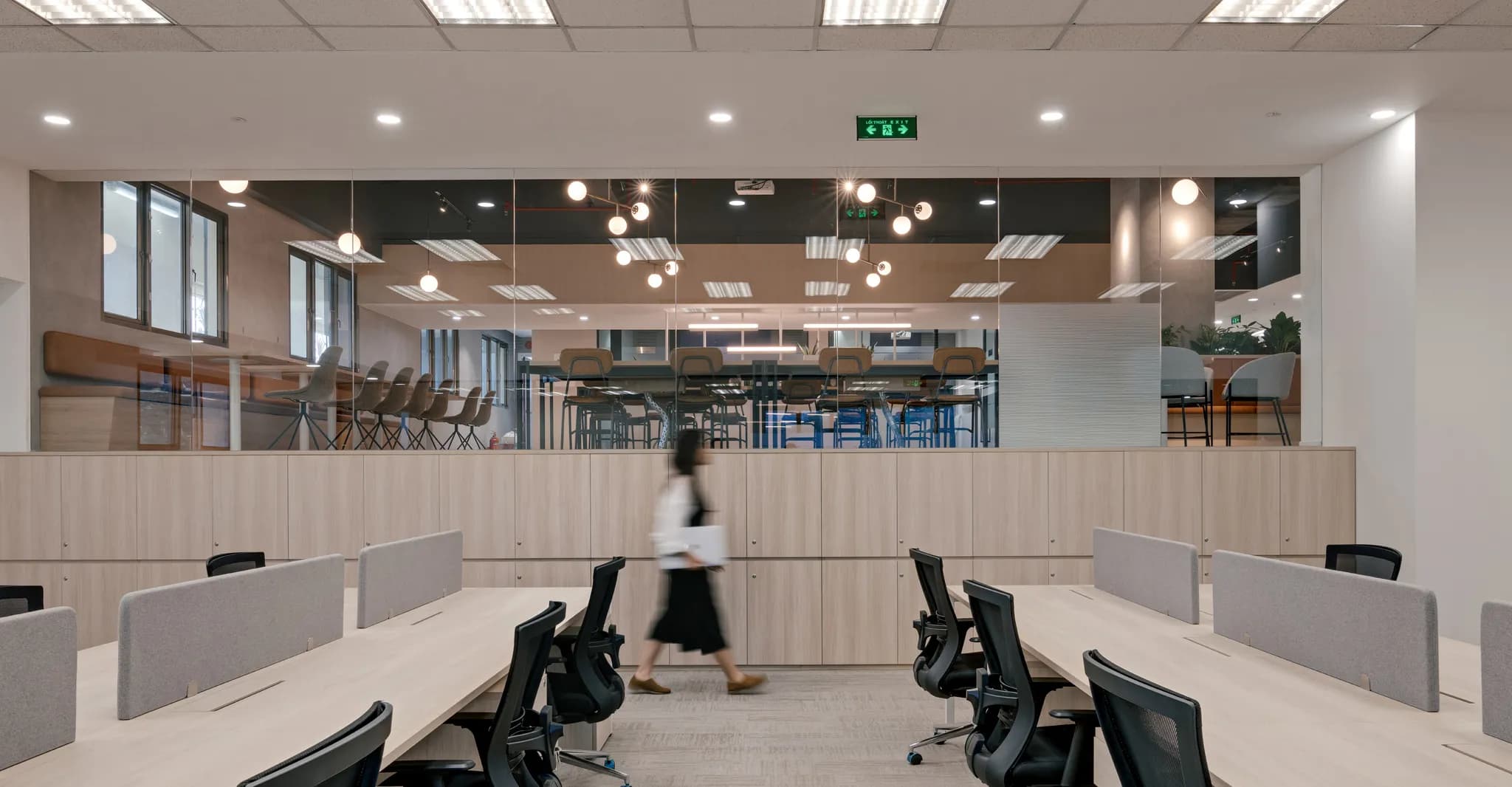
How we help employees change to the ABW working model?
Activity-Based Working (ABW), also known as Agile Working, is a modern approach to workspace design that allows employees to work where, when, and how it best suits them. In ABW, the workspace design has undergone significant changes from traditional office models, with a reduction in the number of fixed assigned desks and an increase in diverse functional spaces that are best suited for each employee's activities.
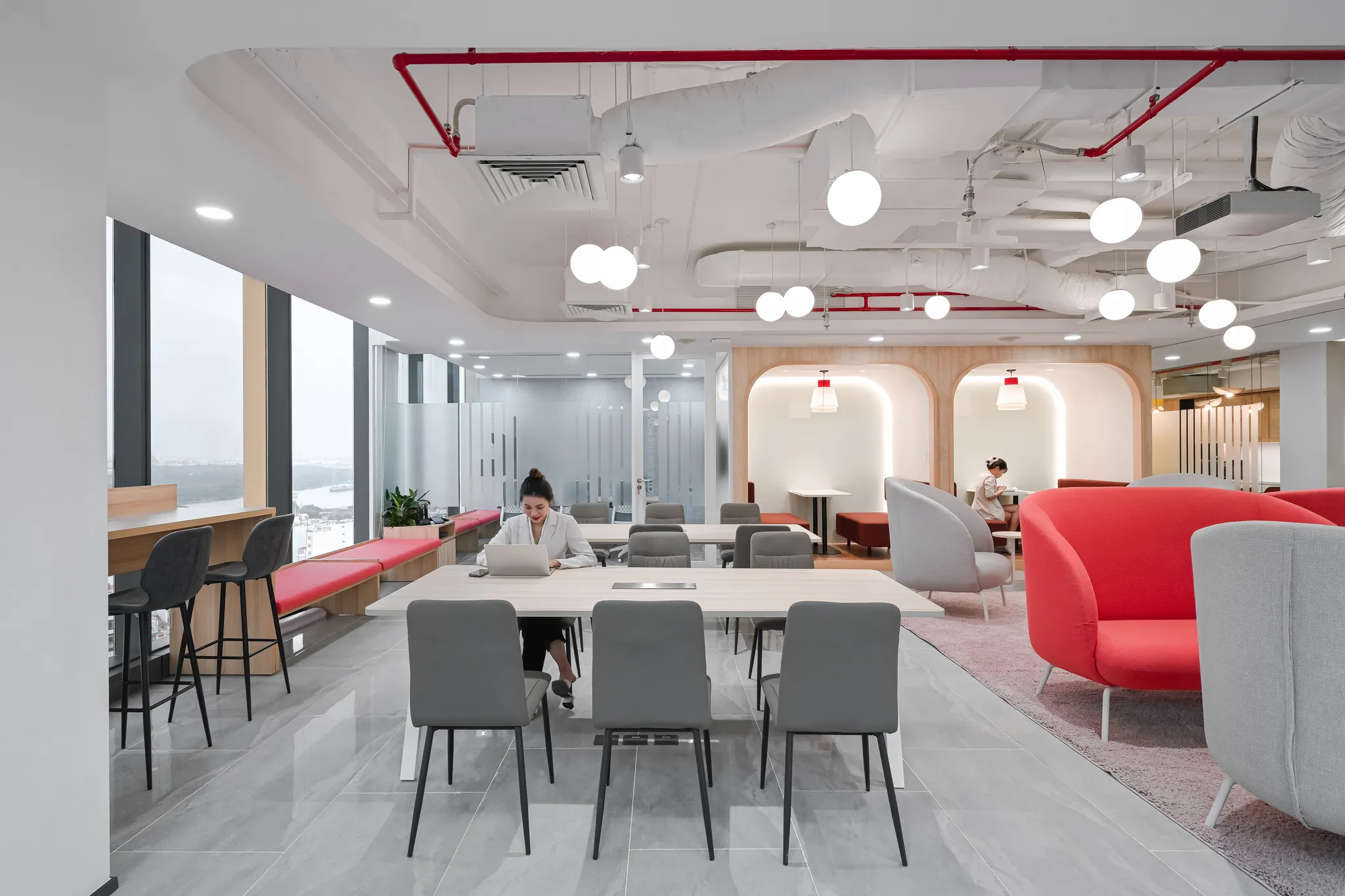
Research to understand the need and redesign the workplace
Designing a workspace that meets the needs and activities of its users is crucial for improving the work environment and employee satisfaction. To create an effective ABW workspace, it is essential to understand the specific characteristics and requirements of the job as well as the needs of the employees.
To gain a better understanding of their customers and employees, many organizations have turned to workplace surveys. For instance, ADP has implemented the Workplace Index Survey to understand the performance of the current office and the experience of the employees within that workspace. The survey helps organizations gain valuable insights into the areas that need improvement and helps provide direction for the development of a new workspace that is focused on enhancing the employee experience.
.webp)
In designing an ABW workspace, it is important to consider the job requirements of the employees. This means that the workspace should be designed in such a way that it supports the specific activities of the employees. For example, an organization with a sales team might benefit from a more mobile ABW work style, with staff equipped with laptops and working from various locations, while an organization with a research and development department may require more structured spaces for experimentation and prototyping.
Understanding the needs and preferences of employees is also essential in determining the appropriate level of ABW work style. Some employees may prefer to work in a quieter space to focus on tasks, while others may prefer a more social environment to work collaboratively. Providing employees with the option to choose the environment that works best for them can improve employee engagement, satisfaction, and productivity. For instance, if the job requires collaboration, the workspace should facilitate teamwork and communication. On the other hand, if the job is more individualistic, employees should be provided with private workspaces to help them focus and concentrate.
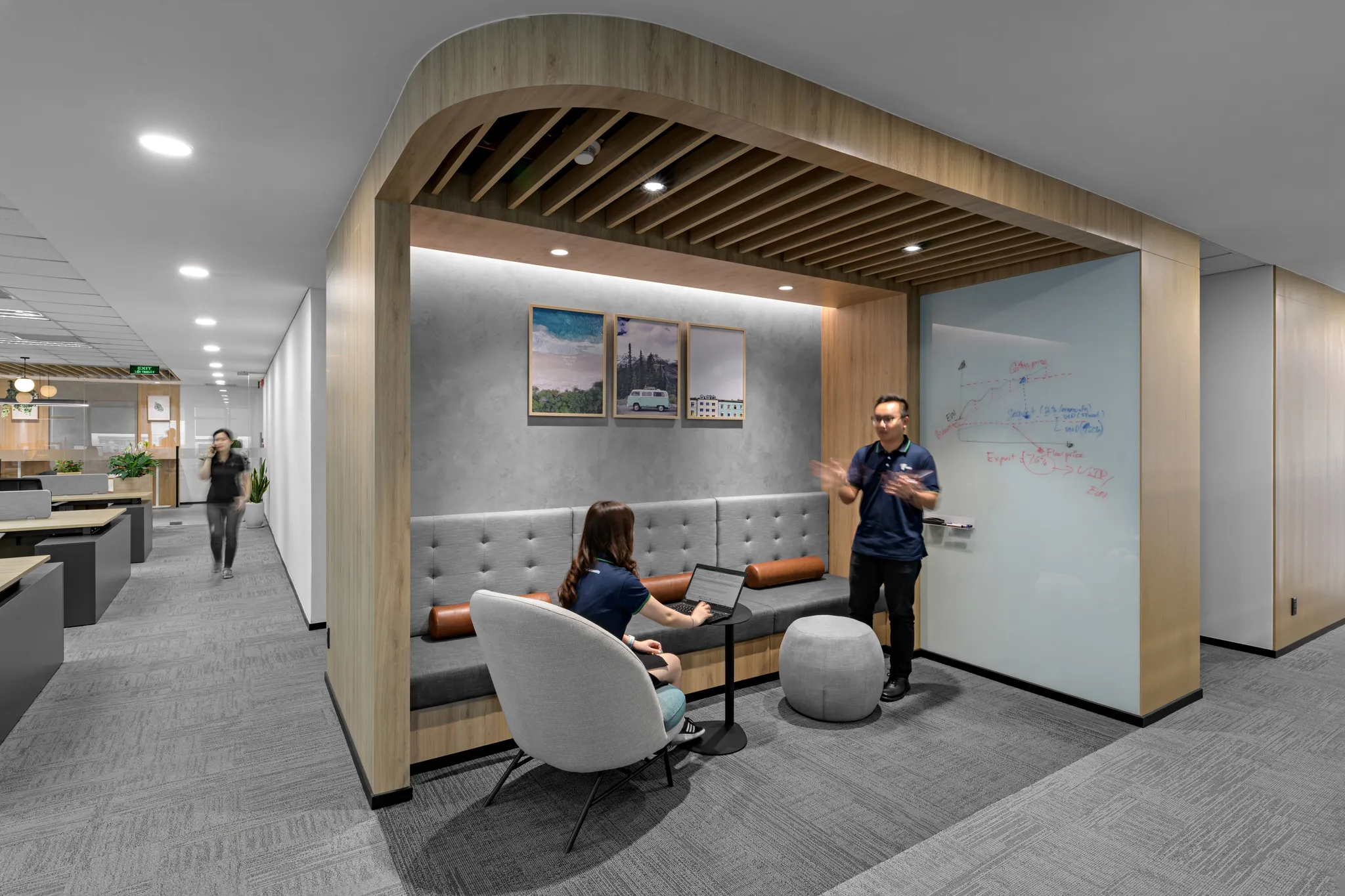
The ADP Workplace Index Survey also sheds light on the preferences of employees. This information can be used to create an agile workspace that caters to the specific needs of the employees, which in turn can lead to increased job satisfaction and productivity. The survey reveals that employees prefer more natural light, comfortable chairs, or a certain level of noise. Taking these preferences into consideration can lead to a better and more efficient ABW environment.
Changing mindset
To fully embrace ABW, however, it's essential to change the mindset of both employers and employees. The biggest challenge of changing to an ABW workplace is a mindset shift. The traditional workplace culture demands that employees work in a fixed location, with fixed hours, and a fixed set of responsibilities. ABW, on the other hand, allows employees to work wherever they are most productive, with flexible hours, and a dynamic set of responsibilities. This shift can be difficult for both employees and leaders, who may have grown accustomed to the traditional workplace culture.
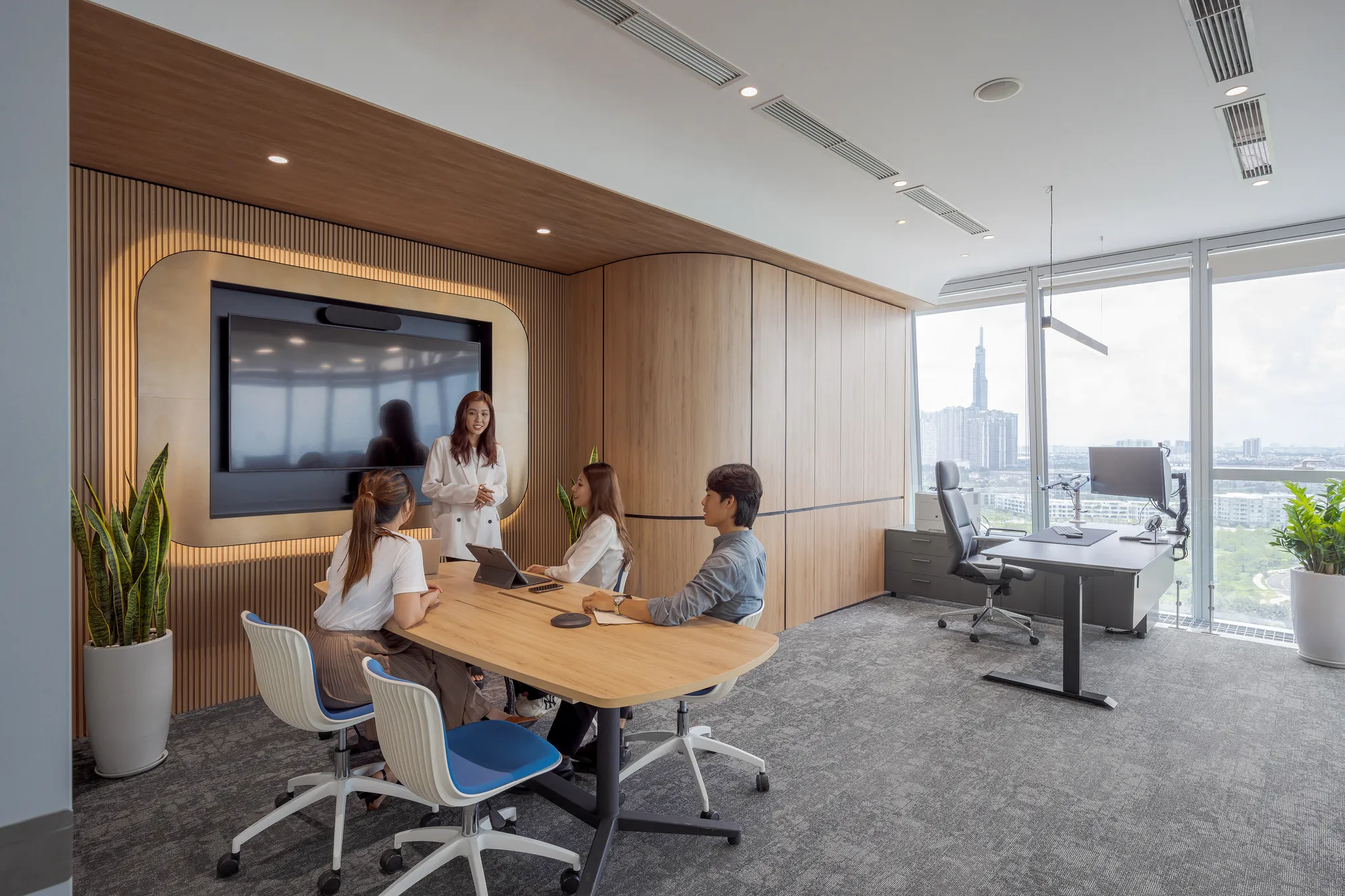
Another challenge of transitioning to an ABW workplace is creating an environment that encourages collaboration and communication. In an ABW workplace, employees may not have a fixed desk or workspace, which can make it difficult for them to establish relationships with their colleagues. Leaders need to create an environment that fosters collaboration, such as setting up communal workspaces or holding regular team meetings.
The lack of control and supervision can also be a challenge for some leaders. In an ABW workplace, leaders need to trust their employees to work independently and take responsibility for their own work. This requires a shift in leadership style, from one that is based on control and supervision to one that is based on trust and empowerment.
Changing mindsets and spatial design also go hand in hand when it comes to implementing ABW. The responsibility for adapting to a changing workplace has been placed mainly on the people within the space, which means that shifting mindsets is a crucial part of the change. However, it's also essential to note that success in the workplace of the future hinges on a balance of people and space adapting and evolving together. Rather than seeing space as static, the opportunity lies in seeing it as flexible, nimble, and adaptable.
Implemented technology
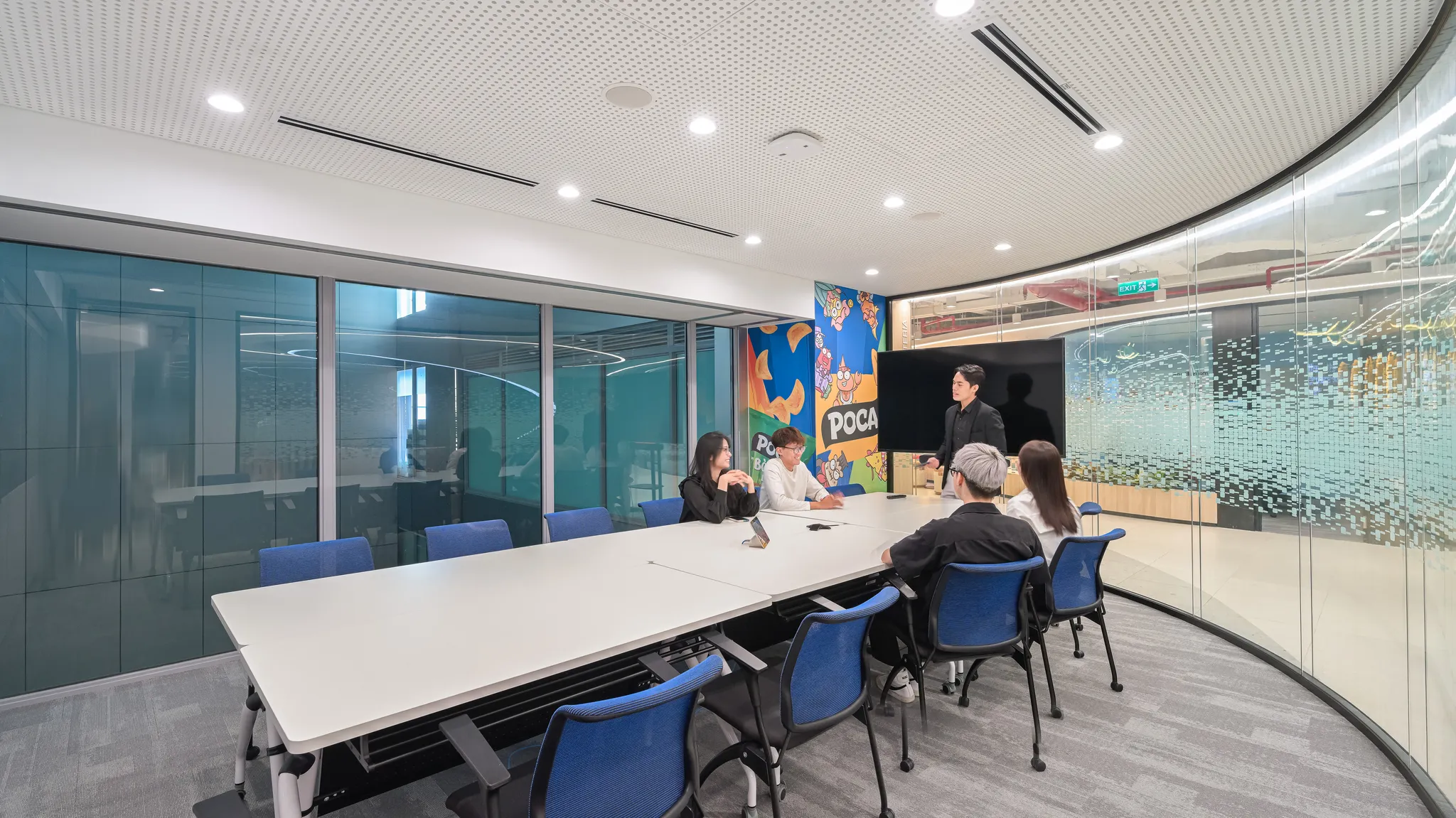
Implementing technology in an ABW workplace is crucial to its success. It allows employees to work seamlessly from anywhere, at any time, using a variety of devices. Here are some of the ways technology can be implemented in an ABW workplace:
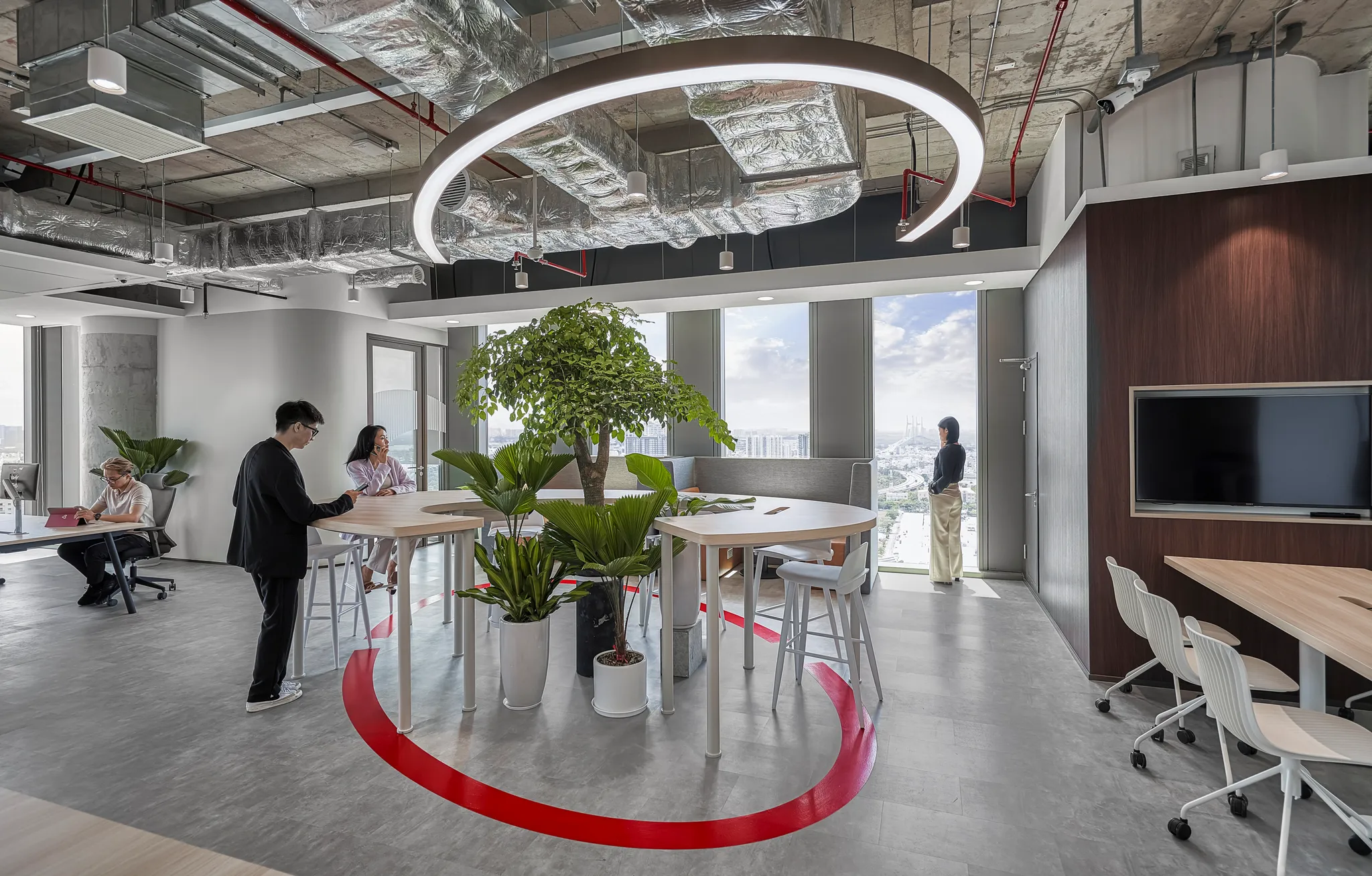
ABW is a design strategy that supports flexibility and autonomy, but it's important to choose the appropriate level of ABW work style based on the nature of work, departmental characteristics, and employee needs. By providing employees with the tools they need to work efficiently and effectively, leaders can ensure that their ABW workplace is successful and productive.
Content
Share
Insights

25 Feb, 2025
5 mins read
Focus Boost: Elevating Productivity Through Smart Workplace Design
The modern workplace has evolved significantly, with open-plan offices becoming the norm for fostering collaboration and teamwork. However, while these layouts promote communication, they also introduce challenges—particularly the issue of noise and distractions. Employees often struggle to concentrate in an environment filled with constant movement, conversations, and workplace chatter.
13 May, 2024
4 mins read
Fostering Inclusivity: Building a Workplace Where Everyone Thrives
In today's business landscape, inclusivity extends far beyond mere diversity; it encompasses a strategic vision where every employee is actively engaged and valued. This enriched environment is not just an ethical choice but a business imperative that drives innovation and profitability.

01 Dec, 2025
2 mins read
How Does ADP Build the Largest Customer Service Teams in the Market?
The Handover Is Not the End, It’s the Beginning Many companies see the handover moment as the finish line. ADP sees it as the start of a new journey. Workplaces are living systems. Mechanical equipment ages, technologies evolve, teams grow, functions shift, departments change - a space that was perfect on day one may need adjustments six months later. While a project that ends at handover inevitably becomes a burden for clients, a project that continues through after-sales support becomes a lasting partnership. A Dedicated Team of Experts Behind Every Workplace Our Customer Service team is more than just support, it’s a backbone for every space we deliver. With 36 specialists across three branches, led by team leaders with over 10 years of experience, we have managed 600,000 sqm of workspace with precision and care. From unexpected storms to aging building systems, our experts are ready day or night to resolve complex issues, restore operations, and ensure every workplace continues to function seamlessly. This is the reliability and responsiveness that sets ADP apart. Proactive Maintenance Protects Employee Experience & Productivity Most others' customer service wait for problems to appear - then react. ADP’s approach is the opposite: we monitor proactively, with regular inspections, preventive maintenance, and continuous workspace optimization. This avoids sudden breakdowns, reduces downtime, and ensures employees always experience the space at its best, from lighting quality to air comfort and acoustics. Besides, a dedicated customer service team helps extend the lifecycle of every element in the office: furniture, equipment, mechanical systems, lighting, and layouts. This reduces waste, prevents premature renovation, and supports a more responsible approach to workspace management. Trust Built Through Everyday Reliability One of the most meaningful forms of feedback we receive is hearing how clients feel genuinely supported by our Customer Service team. This trust is echoed by long-term partners such as Shinhan Bank, PwC, Lynk & Co, TEC, and Columbia Sportswear, who rely on us not just for what we build, but for what we continue to care for. Their stories highlight the kind of service we strive to deliver. These aren’t extraordinary moments to us, they are part of the everyday commitment we bring to each client relationship. We are deeply grateful for their trust and remain steadfast in our promise to keep every workplace reliable, ready, and well cared for.


