
What is LEED Certification? Process of Issuance and Application in Green Offices
09 Dec, 2024
1 min read
LEED Certification has become an important standard in the field of green building construction worldwide, including Vietnam. This is a certification issued by the U.S. Green Building Council (USGBC) that evaluates and recognizes buildings meeting environmentally friendly standards. Let’s join ADP Workplace to learn about the LEED certification and its related standards and processes in the article below.
1. What is LEED Certification?
LEED Certification is a certificate for green building projects developed by the U.S. Green Building Council (USGBC). Introduced in 1995 in the U.S., LEED is considered a prestigious global standard that helps projects achieve environmental friendliness through sustainable criteria in design, construction, and operation. This certification not only helps businesses comply with environmental standards but also creates long-term sustainable value for the project.
2. The Role of the U.S. Green Building Council (USGBC) in LEED
USGBC (United States Green Building Council) is a non-profit organization behind the development and management of the LEED system. Established with the mission of promoting the green building movement, USGBC has built the LEED system to measure and evaluate the sustainability level of buildings. USGBC plays a decisive role in defining evaluation standards, issuing certifications, and maintaining fairness and transparency in the assessment process. All LEED-certified projects must meet strict standards set by USGBC.
In addition to certification, USGBC also provides training courses, seminars, and events to raise public awareness about green building. The role of USGBC also includes monitoring and updating LEED standards according to the latest development trends, ensuring that the system always reflects technological and scientific advances in the construction field.
3. When is LEED Certification Awarded?
A project will be awarded LEED certification when it meets all environmental standards and earns enough required points during the USGBC assessment process. The evaluation process includes several steps, such as identifying the required criteria, collecting related documentation, and finally, a review process conducted by experts. A project is only awarded LEED certification when it achieves sufficient points across different sustainability and resource efficiency criteria.
The certification process does not stop at the design or construction stage but extends throughout the building’s operational phase. This means that projects must continue maintaining the standards required by LEED throughout their life cycle to retain certification.
4. Standards and Levels of the LEED Green Building Certification
4.1. How many point systems and levels does LEED have?
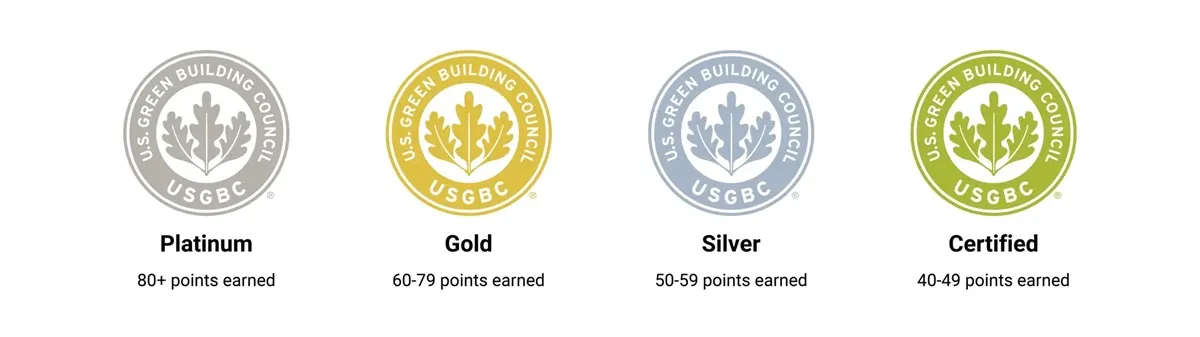
The LEED system classifies certifications based on the total points a project earns during evaluation. Each criterion in the LEED system is assigned a specific point value, and the total score determines the certification level a project will achieve. LEED has four main levels as follows:
LEED Certified: 40–49 points
LEED Silver: 50–59 points
LEED Gold: 60–79 points
LEED Platinum: 80 points or higher
Each level not only reflects the environmental friendliness of the project but also demonstrates the investor’s commitment to pursuing sustainability standards.
4.2. Evaluation Criteria for Green Design Projects According to LEED Certification
The LEED system includes multiple evaluation criteria to ensure that a project achieves comprehensive sustainability. These criteria include:
5. LEED Certification Process
To achieve LEED certification, projects must go through multiple stages from preparation to assessment. Below are detailed steps in the LEED certification process:
5.1. Project Registration
The first step is for the investor to register their project with USGBC through the LEED Online system. This registration officially enrolls the project in the assessment process and ensures that all evaluation criteria will follow LEED standards.
5.2. Design and Construction by Architects According to LEED Criteria
After registration, architects and engineers must design and construct the project based on LEED criteria. This includes material selection, energy-efficient system design, and ensuring indoor environmental quality standards are met. During construction, the team must closely monitor all technical requirements to comply with the standards.
5.3. Preparation of Documentation Proving LEED Compliance
Once completed, the investor must prepare a documentation set proving that LEED standards have been met. This includes design drawings, material documentation, energy-saving reports, and other documents related to water management and indoor air quality.
5.4. Submission via LEED Online
After preparation, the documentation is submitted to the LEED Online system. This is a crucial step to begin the USGBC review process. The submission must be accurate and complete to ensure smooth evaluation.
5.5. Assessment and Evaluation by USGBC
After receiving the documents, USGBC conducts a comprehensive evaluation of the project based on LEED criteria. This process can last from several weeks to several months, depending on the project’s size and complexity. During the process, USGBC may request additional information or on-site inspections if necessary.
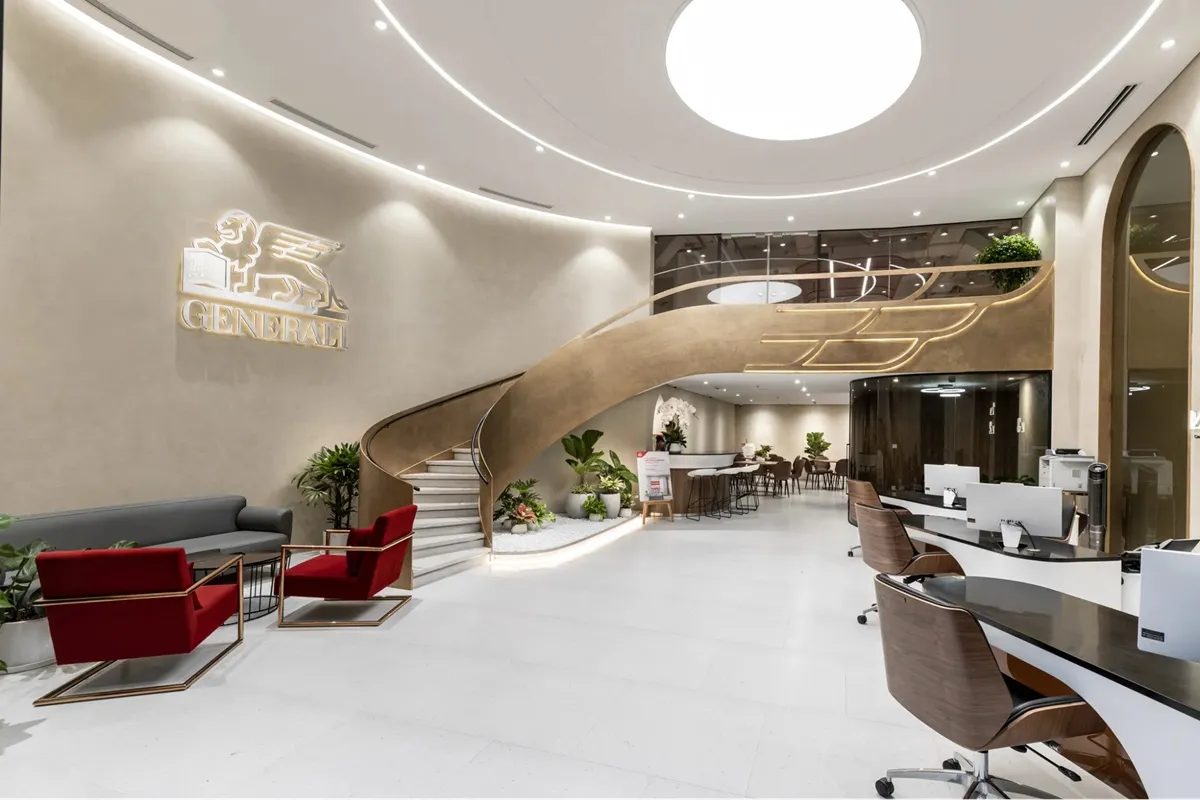
5.6. Completion of Review and Issuance of LEED Certification
Once the project passes all assessment stages, USGBC will issue the LEED certificate corresponding to the project’s total score. This certification acknowledges that the building meets the sustainability and resource efficiency standards required by LEED.
6. What Benefits Do Businesses Gain from LEED Certification?
Businesses that achieve LEED certification not only contribute to environmental protection but also gain many financial, employee health, and reputational benefits. Below are the specific advantages:
6.1. Positive Environmental Impact
LEED certification helps minimize negative environmental impacts and meet global sustainability standards. LEED-certified buildings typically save energy, use water more efficiently, and reduce pollutant emissions. By using recycled materials and advanced technologies, businesses can reduce greenhouse gas emissions and conserve natural resources.
6.2. LEED Green Certification Reduces Operational Costs
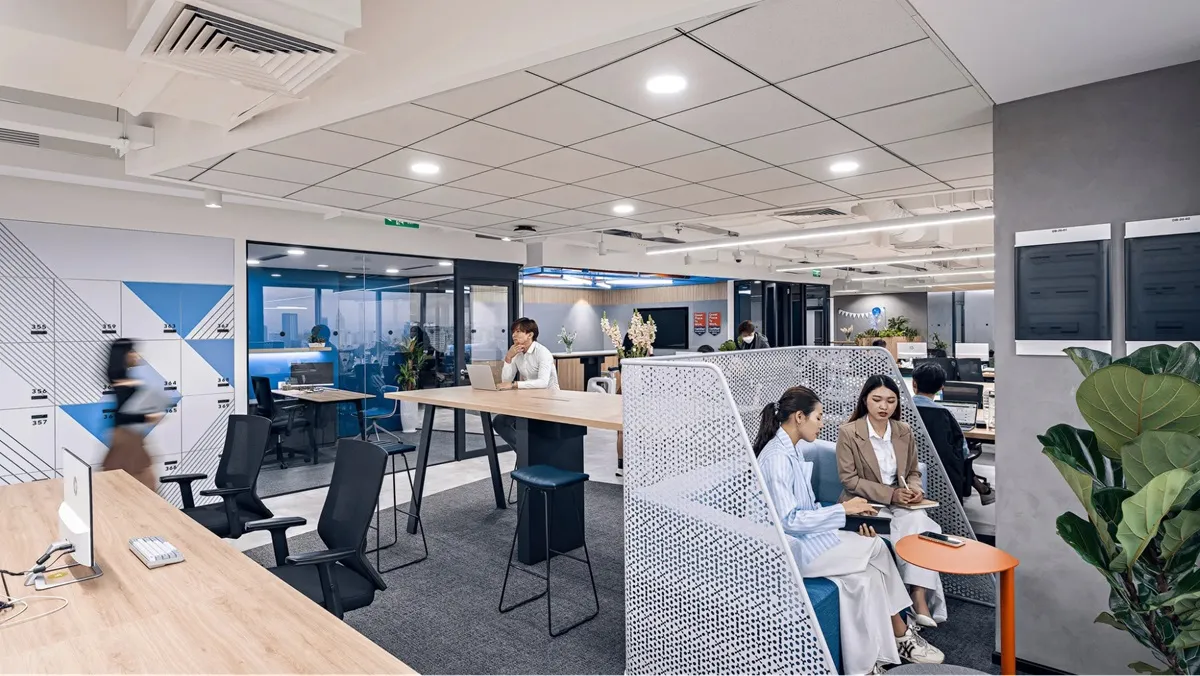
One of the biggest advantages of LEED certification is long-term operational cost savings. LEED-certified buildings are designed to optimize energy and water use, reducing electricity, water, and other resource expenses. Moreover, smart management systems minimize resource waste during operation, helping businesses maintain high efficiency while saving significant costs.
6.3. LEED Certification Increases Property Value
LEED-certified buildings have higher property values compared to non-certified ones. Because they meet strict environmental protection and resource efficiency standards, they tend to attract more customers and investors. In addition, LEED certification enhances real estate value in the eyes of international investors, especially as the demand for sustainable and eco-friendly buildings increases.
6.4. Improves Employee Health and Productivity
Workspaces in LEED-certified buildings are designed to maximize natural light, improve air quality, and control temperature effectively. As a result, they create a comfortable and healthy working environment while reducing health issues. Employees working in LEED-standard buildings tend to have better health and higher productivity.
6.5. Enhances Corporate Reputation and Market Value
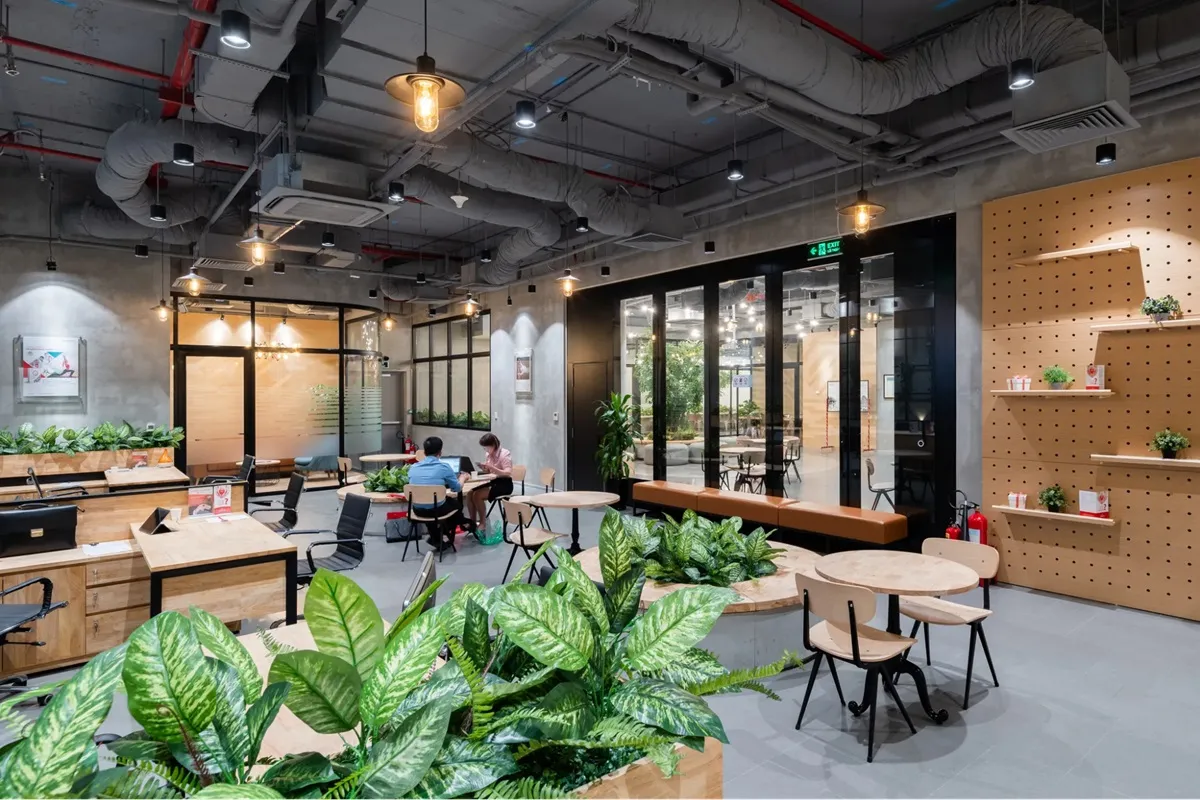
Owning a LEED-certified building enhances a company’s reputation with partners and clients. LEED certification demonstrates a company’s commitment to environmental responsibility and sustainable development, creating a positive impression and increasing opportunities for collaboration with international partners. Additionally, LEED certification can serve as an effective marketing tool, strengthening brand value and competitiveness.
7. Limitations of LEED Standards in Office Design for Businesses
Although LEED certification offers many benefits, there are still certain limitations that businesses should consider.
8. Criteria for Selecting Design and Construction Firms to Achieve LEED Certification
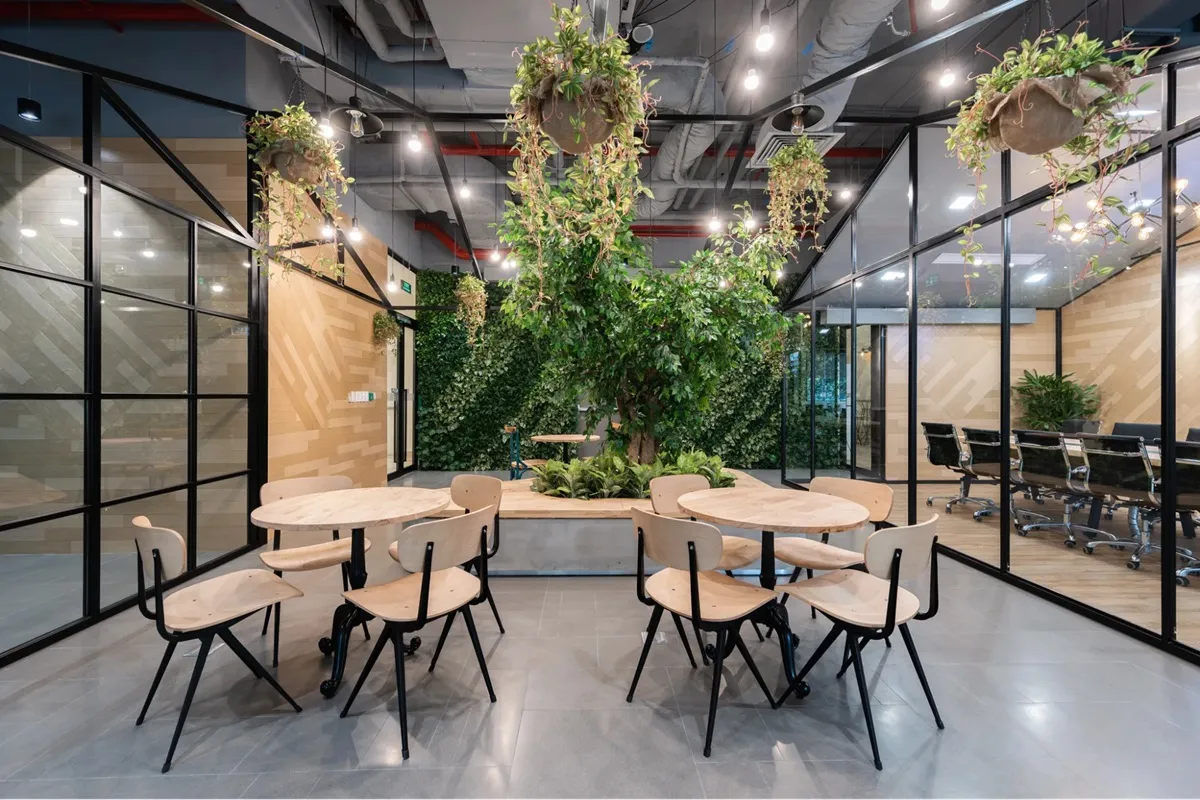
To ensure their project can achieve LEED certification, businesses should choose design and construction firms that meet the following key criteria:
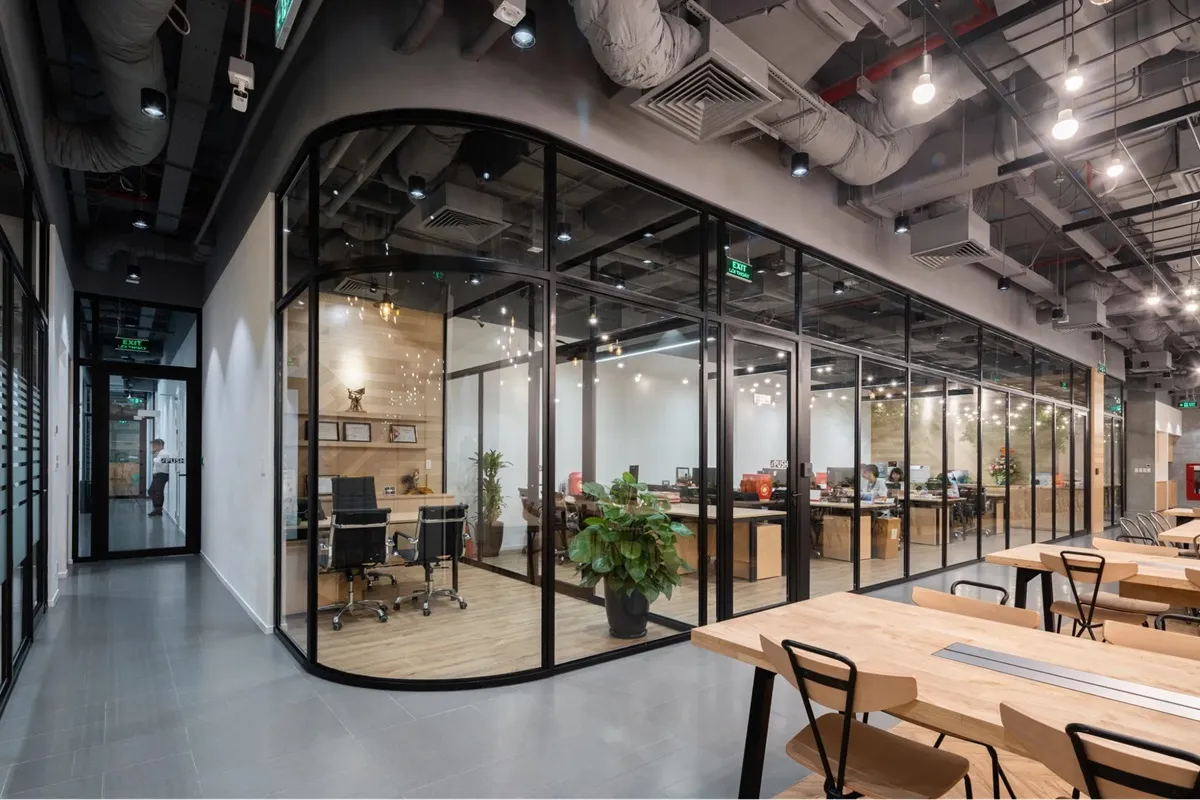
9. Some Office Designs Applying LEED Standards in Vietnam
Below are some office designs in Vietnam that apply LEED standards to create green and energy-efficient workspaces.
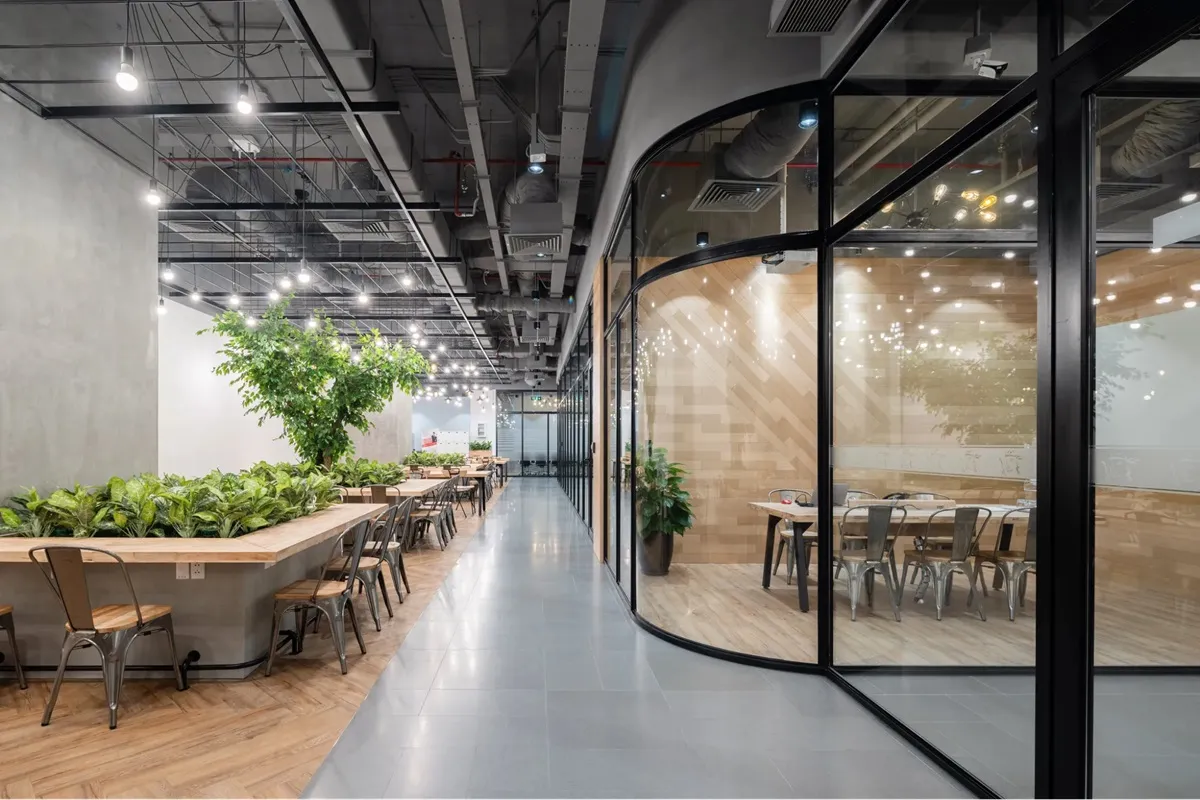
9.1. Designs Optimizing Natural Light and Ventilation
LEED-certified offices are often designed to maximize natural light and ventilation, reducing the need for artificial lighting and air conditioning. This helps save costs, improve workspace comfort, and enhance employee well-being.
9.2. Smart and Energy-Efficient Interior Design
Furniture in LEED offices is carefully selected to ensure sustainability and energy efficiency. Smart furniture such as adjustable desks, energy-saving LED lighting, and automated control systems are prioritized to optimize performance and reduce power consumption.
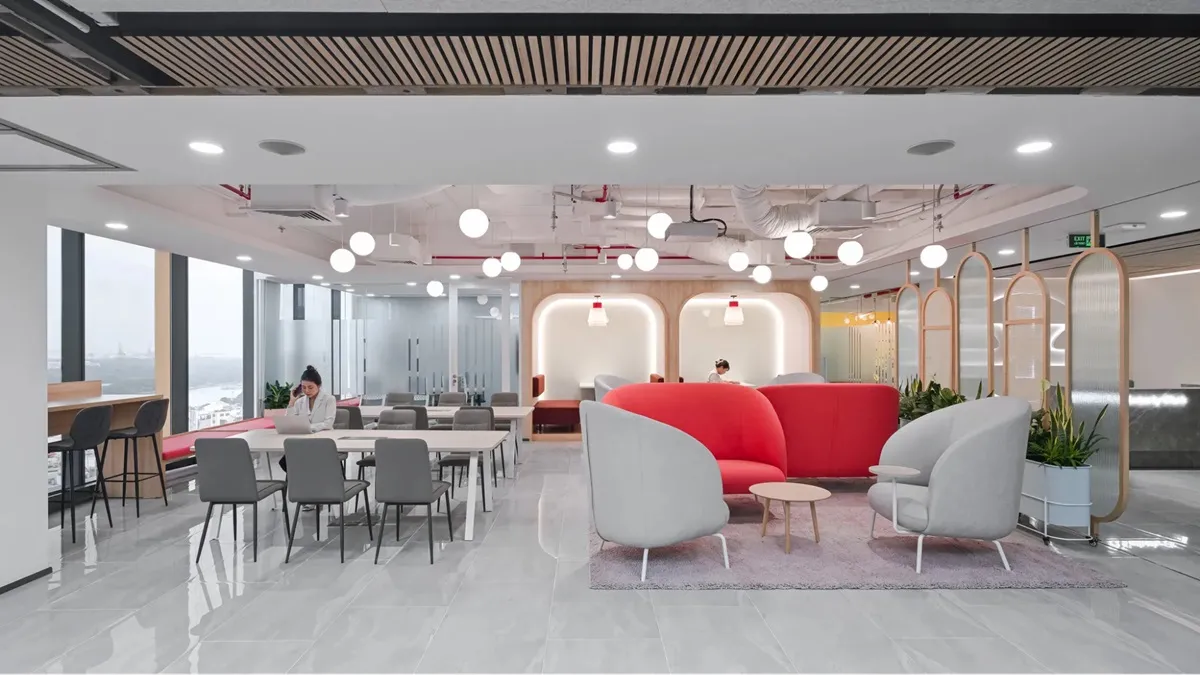
9.3. Office Construction Integrating Waste Management and Recycling
One of the important LEED criteria is waste management and recycling. LEED offices often have effective waste classification systems and use recycled materials during construction to minimize environmental waste.
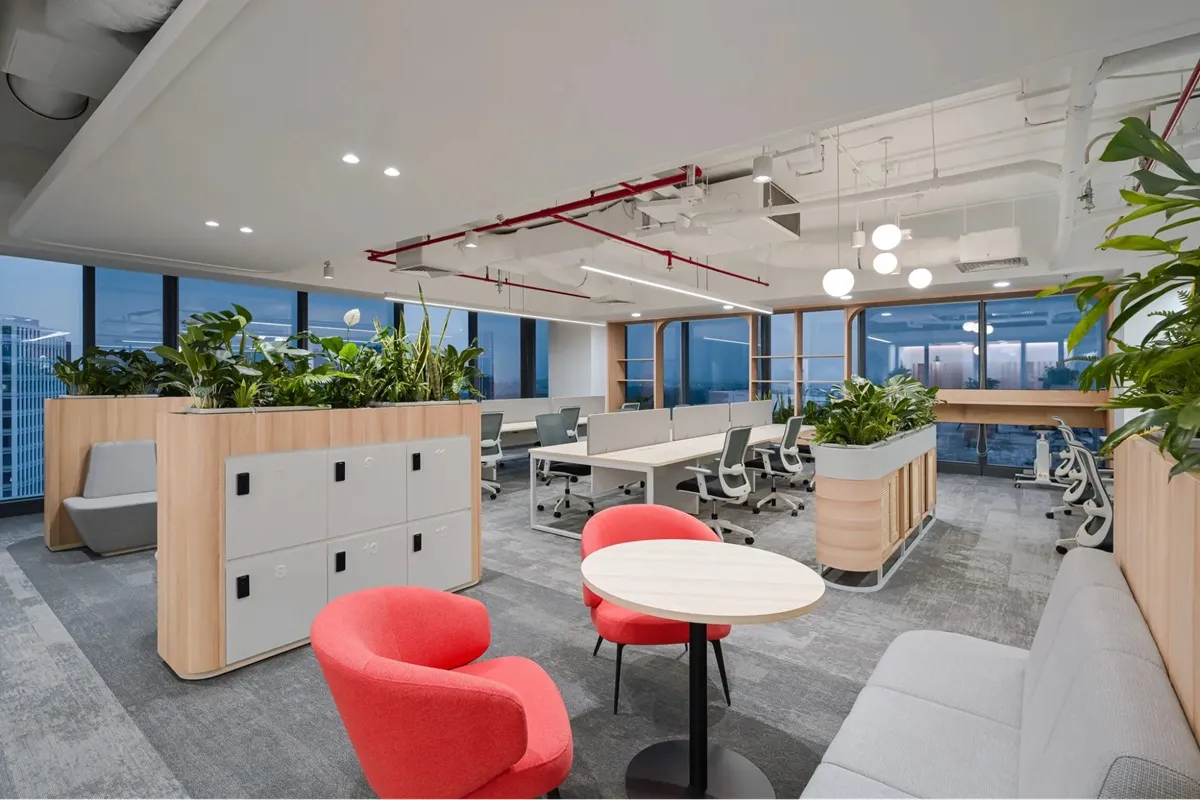
10. ADP Workplace – LEED-Certified Office Design Company
ADP Workplace is one of the leading companies in Vietnam specializing in office design and construction, with a strong focus on sustainable standards such as LEED. With a commitment to creating beautiful and eco-friendly workplaces, ADP has achieved numerous international awards and made a mark in the green design industry.
10.1. Overview of ADP Workplace
Founded in 2006, ADP Workplace has quickly become a pioneer in sustainable workspace design in Vietnam. The company proudly employs over 300 experts with creative thinking and a strong commitment to quality. ADP not only focuses on creating functional office spaces but also emphasizes improving employee well-being, helping businesses maximize their potential.
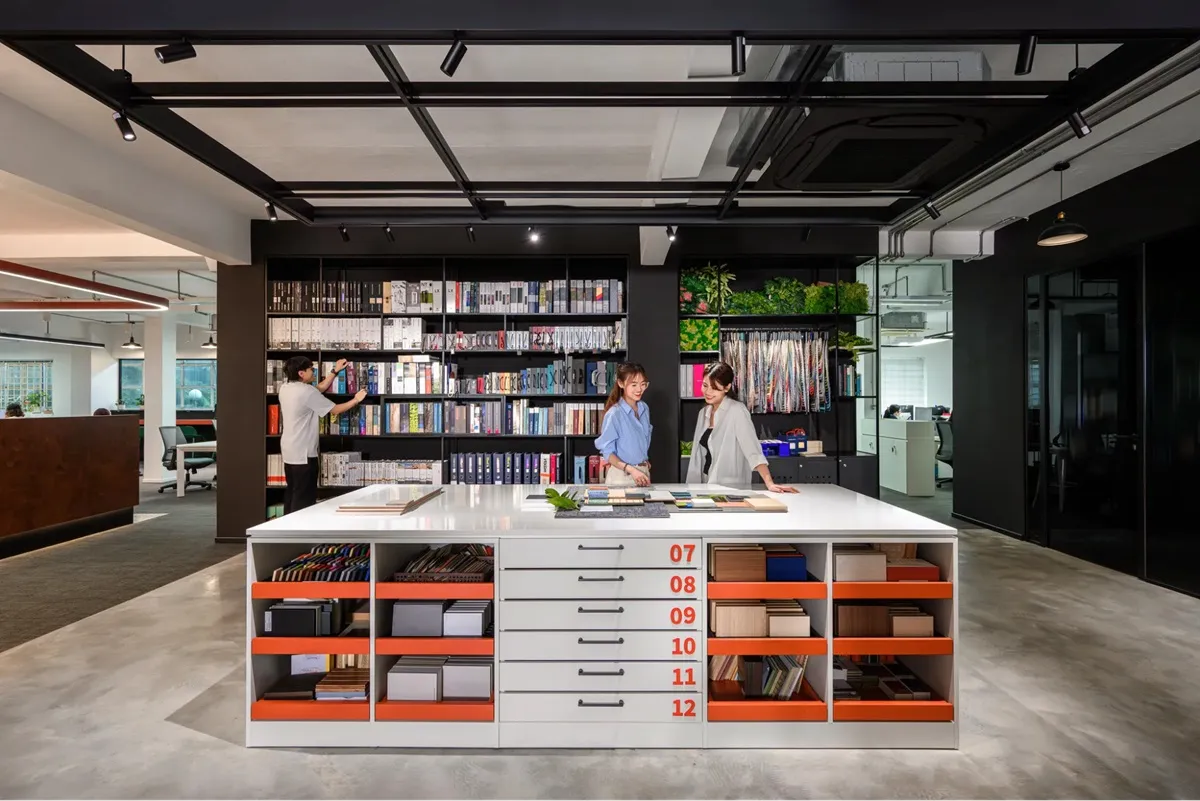
10.2. ADP Workplace’s Commitment to Sustainability
ADP Workplace’s commitment to sustainability is reflected through its LEED-certified projects and human-centered design approach. ADP believes that every workspace significantly impacts an organization’s sustainable growth—from using recycled materials to designing energy-efficient systems. The company has integrated modern design trends, technology, and green solutions into every project to minimize environmental impact and create long-term value for clients.
10.3. Notable LEED Projects by ADP Workplace in Vietnam and Abroad
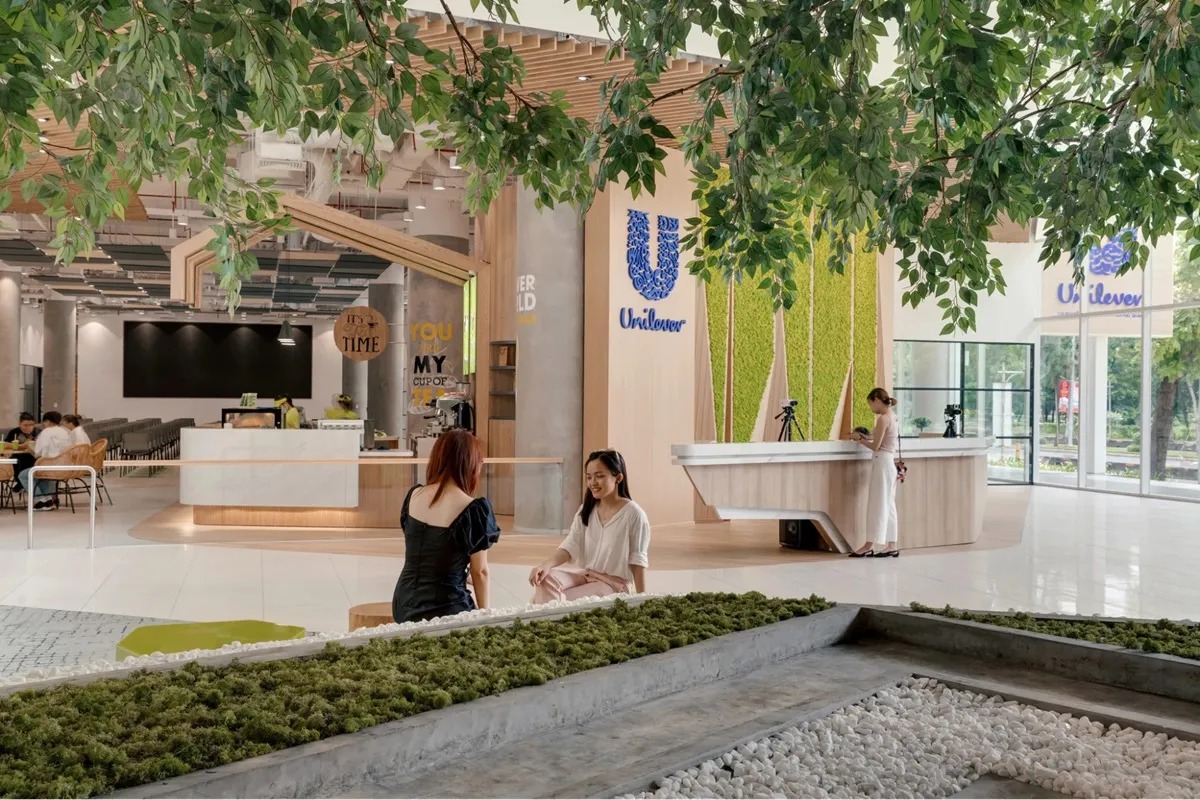
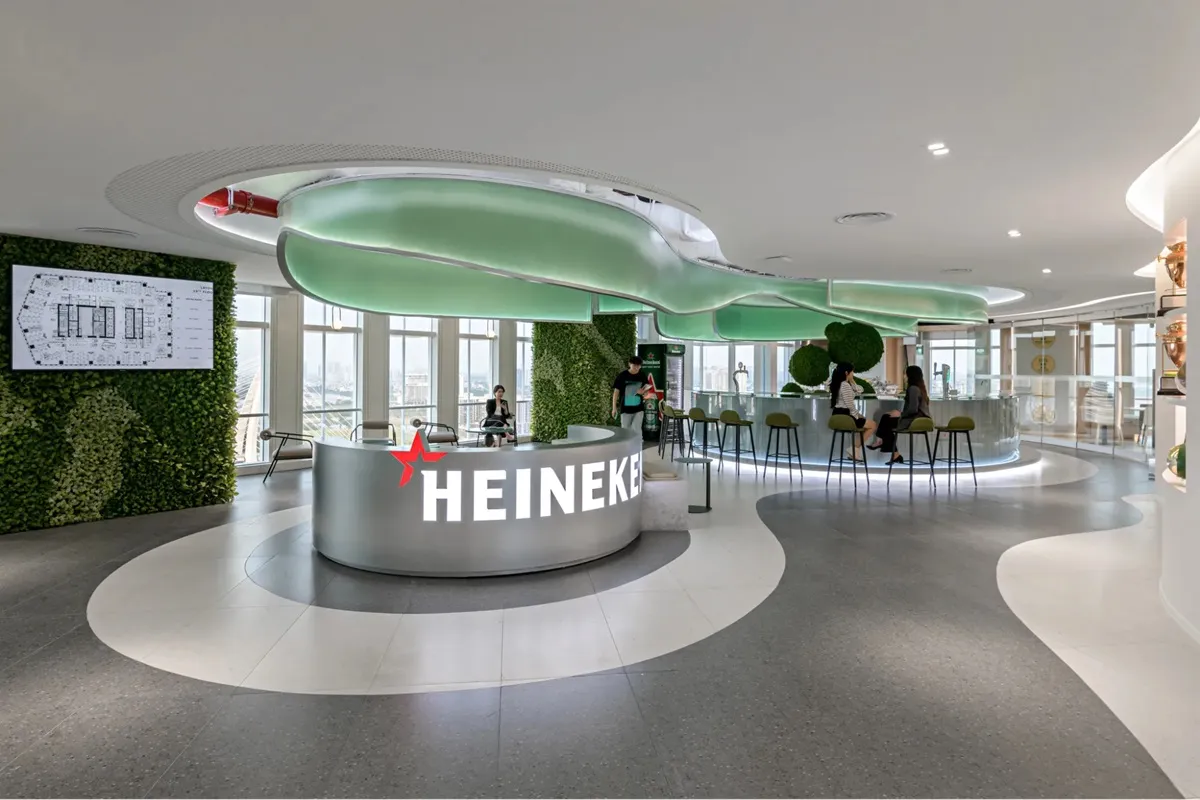
ADP Workplace has participated in numerous major projects in Vietnam and internationally, with some achieving LEED certification. Typical examples include:
11. Frequently Asked Questions About LEED Green Certification
11.1. What Are the Current Sustainable Office Design Trends?
Currently, sustainable office design trends focus on the following key elements:
11.2. What Challenges Exist in Sustainable Interior Design?
Sustainable interior design faces several common challenges such as:
11.3. How Is LEED Related to Other Green Standards Like BREEAM?
LEED and BREEAM are both globally recognized green building standards. Both evaluate criteria such as energy efficiency, resource use, and indoor environmental quality. However, LEED originated in the U.S. and is used worldwide, while BREEAM began in the U.K. and is more common in Europe. Although they differ slightly in assessment methods, both share the same goal of sustainable construction and environmental protection.
11.4. What Are the Costs and Timelines for Achieving LEED Certification?
The cost and timeline for achieving LEED certification depend on the project’s size and type. For smaller projects, registration fees can range from a few thousand to tens of thousands of USD, while larger projects may require a significantly higher budget. The certification process typically takes several months to over a year, depending on project complexity and compliance level. Additionally, initial investment costs are higher due to the use of green materials and advanced technologies.
11.5. What Types of Projects Require LEED Certification?
LEED certification applies to many types of projects, including:
11.6. Do LEED-Certified Projects Need to Maintain the Certification?
After receiving LEED certification, buildings must continue maintaining compliance with system standards to keep their certification valid. During operation, if the building fails to maintain energy efficiency, water conservation, or indoor environmental quality, the certification may be revoked. Therefore, regular inspections and maintenance are necessary to ensure continued compliance.
12. Conclusion
LEED certification not only provides clear environmental and economic benefits but also enhances employee health, satisfaction, and corporate reputation. Applying LEED standards in office design helps businesses save operational costs and increase property value while meeting the growing market demand for sustainable solutions.
If your business is looking for a partner to bring a LEED-certified workspace to life, contact ADP Workplace today. With experience and a strong commitment to sustainability, we will deliver green, optimized, and effective office design solutions for your future.
Content
Share
News

20 Nov, 2025
2 mins read
ADP Earns “Top 100 Best Places to Work in Vietnam” for the 3rd Consecutive Year
This milestone reaffirms our long-term commitment to building a happy, human-centric, and sustainable workplace not only for other large firms but also for our people. Since 2013, “Vietnam Best Places to Work” has been conducted independently by Anphabe through large-scale surveys with tens of thousands of employees and nearly 800 leading companies nationwide. The ranking highlights organizations that successfully create environments where people are inspired, empowered, and meaningfully connected. People at the Center For almost two decades, people have remained at the heart of everything we do at ADP Group. We aim to cultivate a workplace where everyone feels heard, respected, and supported to reach their fullest potential. Employee wellbeing, from mental health to daily comfort and joyl serves as the foundation that motivates us to continuously improve the working experience and create a culture where everyone grows together. A Recognition of Collective Strength This recognition is not only a testament to the efforts of our leadership and teams, but more importantly, a reflection of a culture built on unity, care, and shared purpose. At ADP Group, our greatest achievement extends far beyond awards, it lies in creating a workplace where people feel proud, fulfilled, and genuinely happy to belong.

16 Mar, 2026
5 mins read
What to keep in mind for green office design?
Green office design is no longer just a trendy choice, but has become a long-term strategy for modern businesses. In the context of rising operating costs, personnel increasingly focusing on the work environment, and ESG becoming a standard for evaluating businesses, investing in green workspaces brings double benefits: optimizing internal performance and elevating brand image.

30 Jan, 2026
2 mins read
Year End Party & 10th Anniversary of ADP Hanoi
The night marked the closing of a meaningful milestone, celebrating 10 years of ADP Hanoi’s journey of growth and development. More than a year-end celebration, it was a moment for ADP Hanoi to come together with our clients, partners, contractors, and the entire team, to reflect on a journey built on resilience, responsibility, and long-term collaboration.


