
Sustainable Design Strategies: Advancing the 'E' in ESG
10 Sep, 2023
5 min read
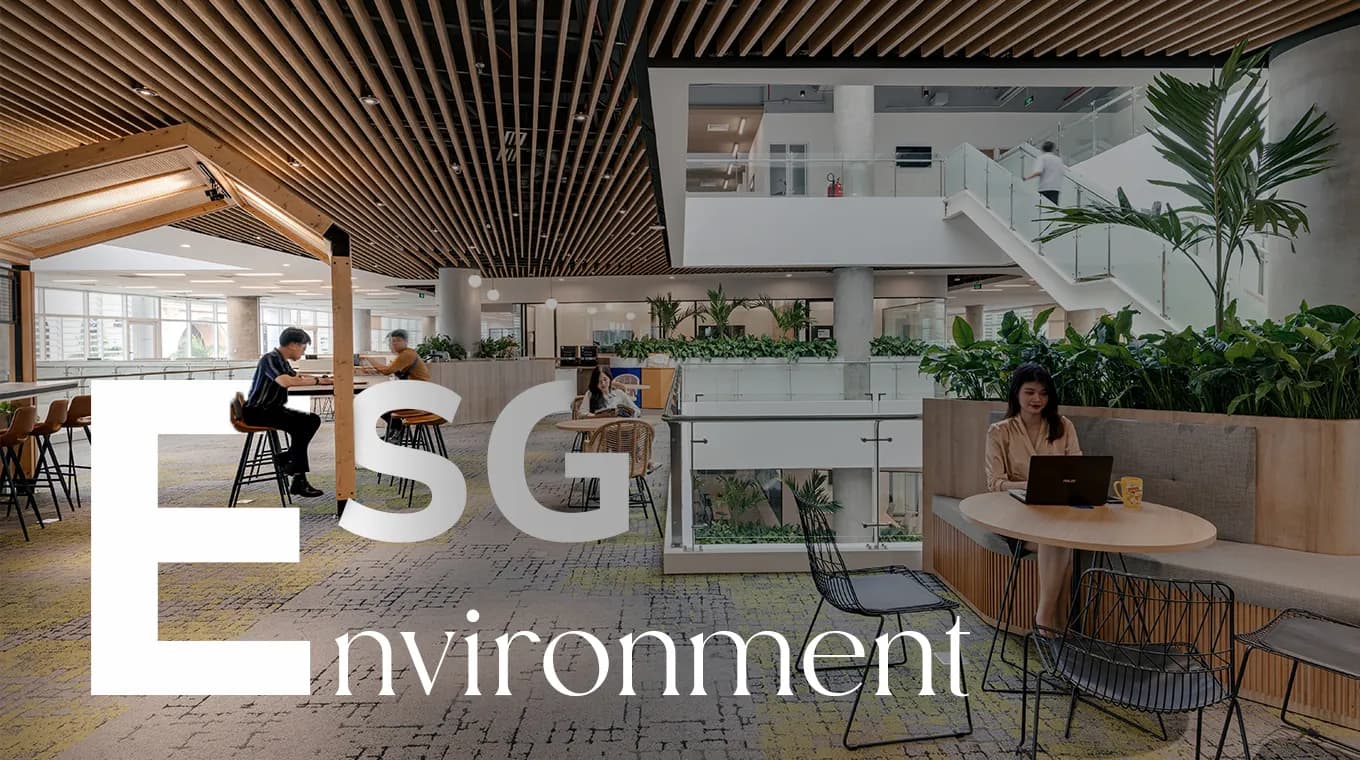
In the realm of modern business, the paradigm has irrevocably shifted towards sustainability, driven by the triple pillars of Environmental, Social, and Governance (ESG) considerations. Among these, the 'E' holds a profound significance, emphasizing the indispensable need for ecologically responsible practices. However, it is not merely a matter of compliance with regulations; it has evolved into a strategic imperative for organizations seeking to align their operations with global environmental goals. One pivotal arena where this commitment to sustainability can manifest and generate measurable impacts is workplace design. In this article, we undertake a scholarly exploration of sustainable design strategies within workplace environments. By examining pertinent case studies, industry best practices, and the quantifiable economic advantages of adopting sustainable design elements, we illuminate a path toward an ESG-driven, ecologically sensitive future.
The Context of Environmental Sustainability
In an age where environmental consciousness is paramount, the corporate world is being compelled to proactively address its ecological footprint. Contemporary businesses must recognize that sustainability is not merely an ethical responsibility but a strategic asset. It is within the confines of workplace design that this commitment to sustainability can be actualized.
Real-World Case Studies in Sustainable Design
Case Study 1: Unilever Office - LEED Certified
Unilever, a global leader in the consumer goods sector, sets a remarkable example of sustainability through its LEED Certified office. Unilever's commitment to sustainability goes beyond borders, incorporating not only eco-friendly materials from global suppliers but also sourcing locally, thereby supporting regional businesses and minimizing transportation-related carbon emissions.
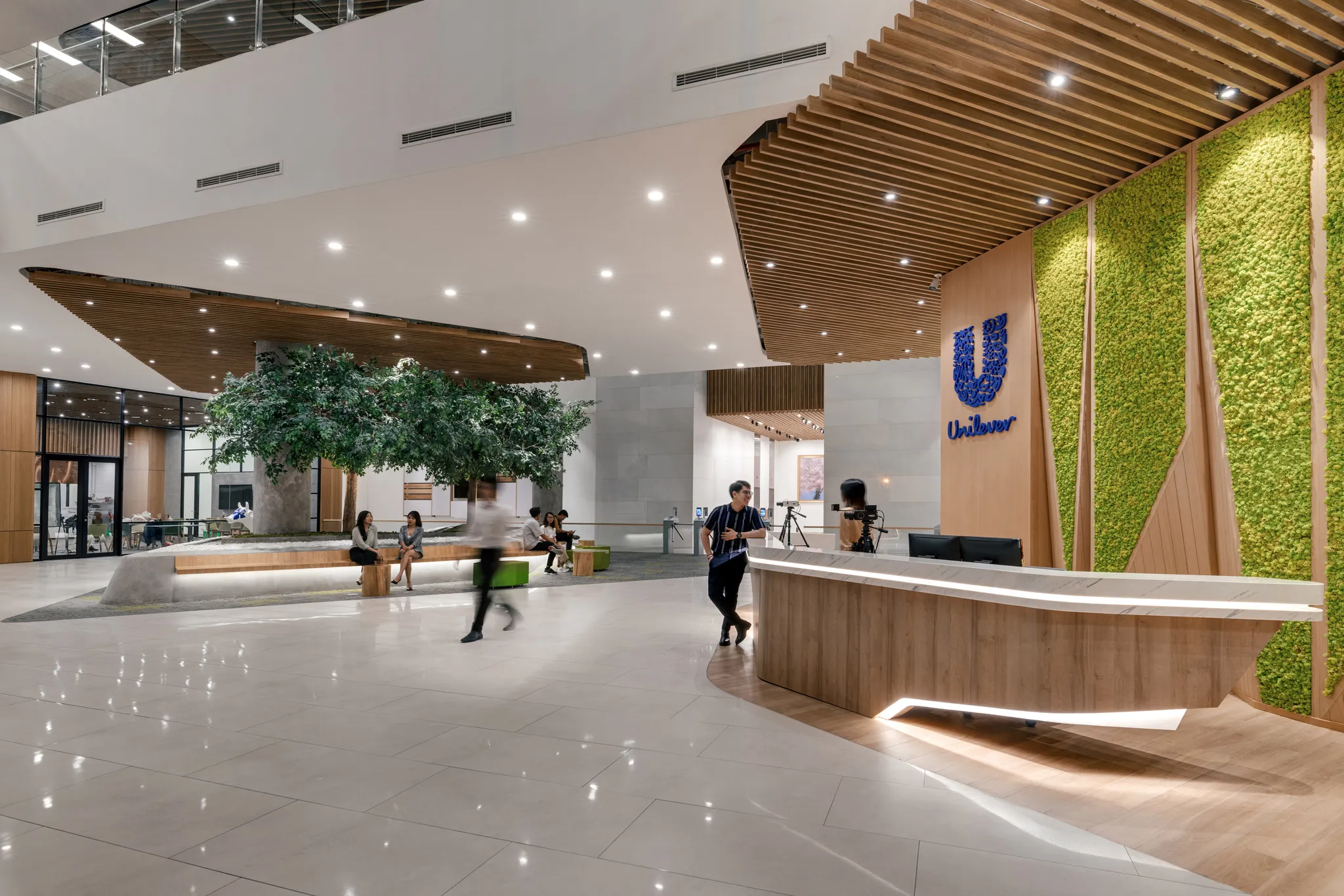
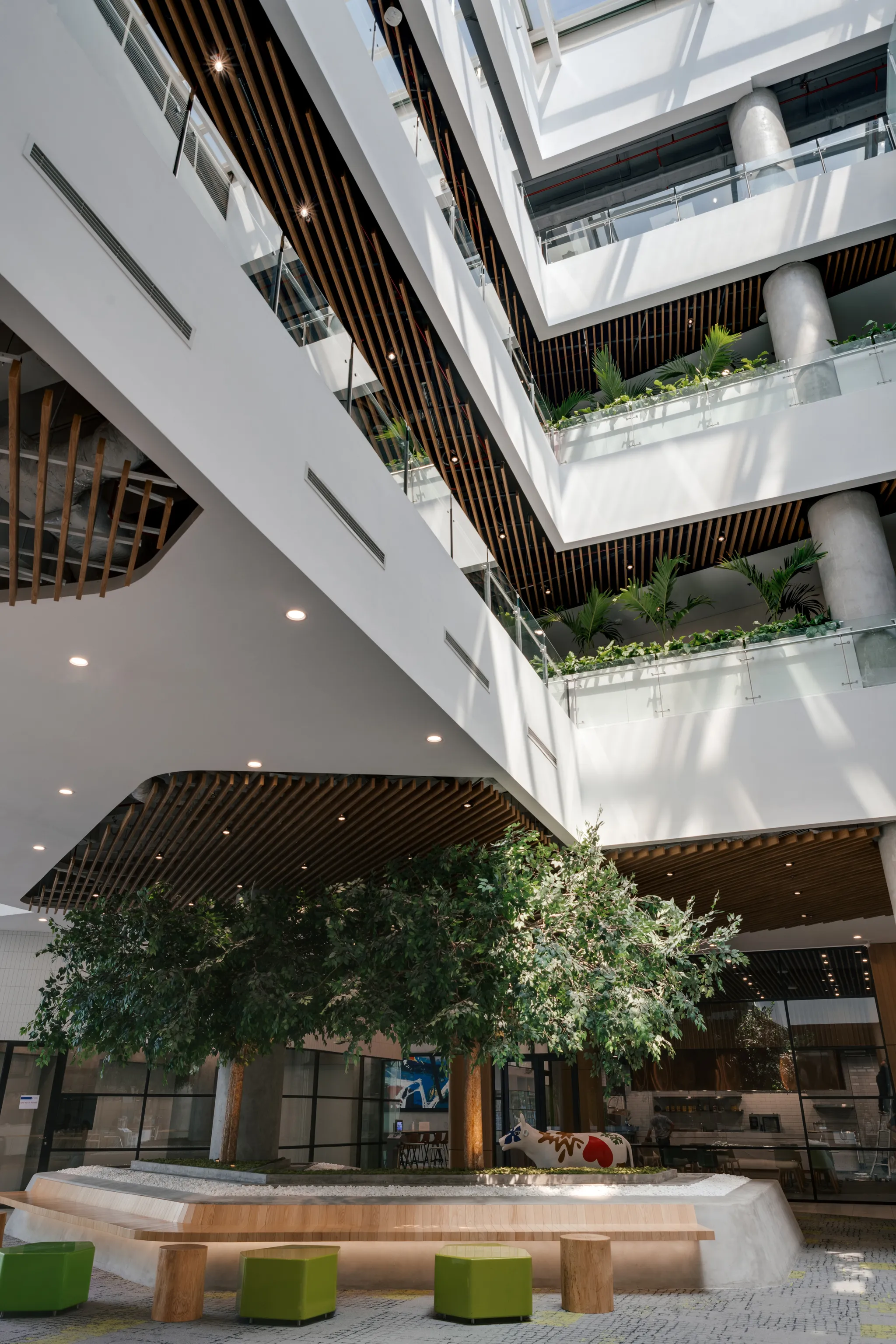
The workspace ingeniously harnesses natural light, capitalizing on a vast central void within the building to flood the office with ambient sunlight, reducing the need for artificial lighting and further reducing energy consumption. Additionally, Unilever's dedication to responsible water usage is exemplified through an advanced water treatment system that efficiently recycles and reuses water, contributing to water conservation efforts and demonstrating their holistic approach to sustainability. This commitment translates into tangible economic benefits, including reduced utility costs and a significantly reduced environmental footprint, aligning harmoniously with Unilever's corporate ethos.
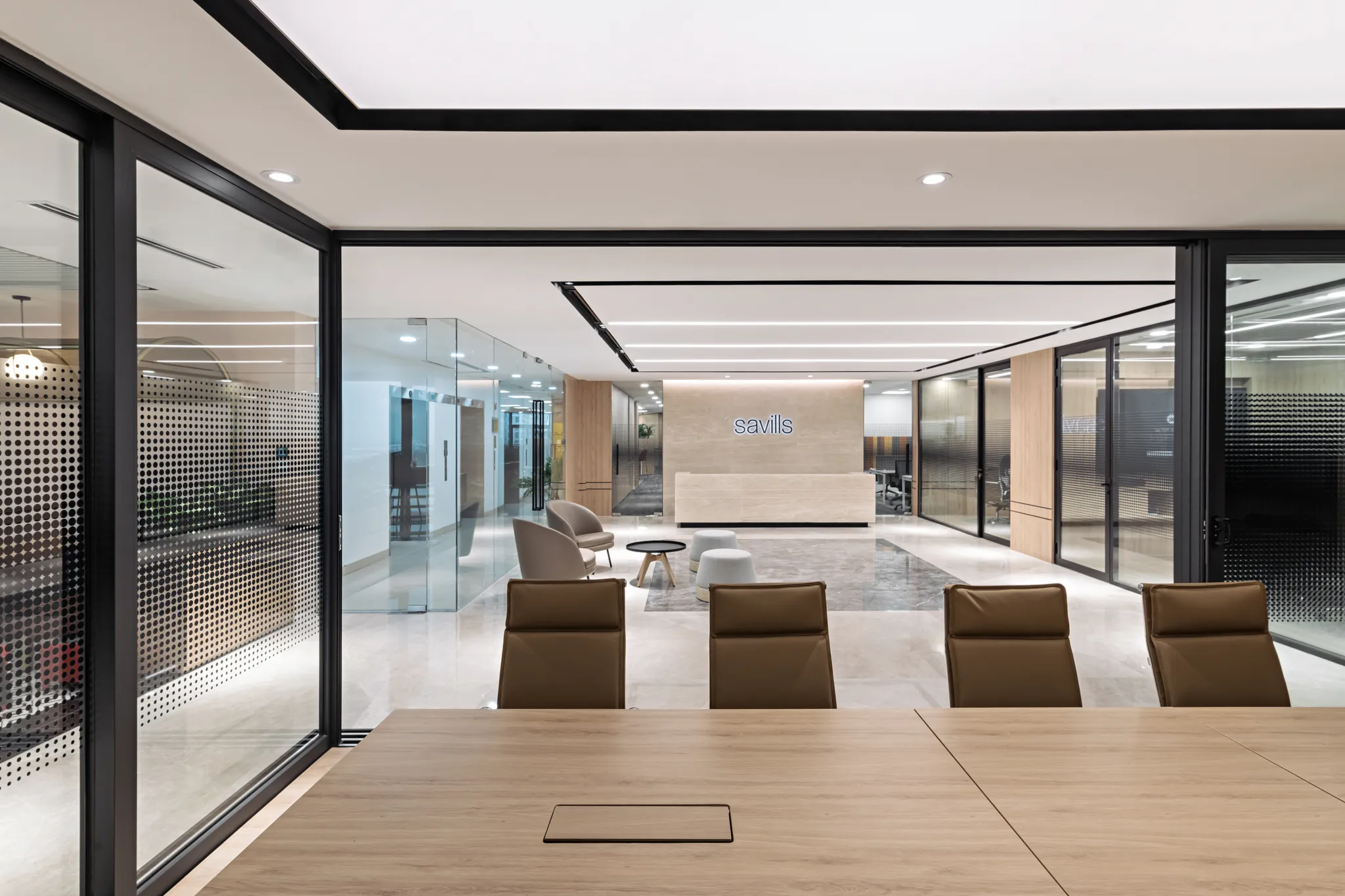
Case Study 2: Savills Office - Gold LEED Certificate
Savills, a global leader in real estate services, stands as an exemplar of sustainable workplace design with its Gold LEED-certified office. The organization's substantial investment underscores a profound commitment to environmental responsibility. The office maximizes natural light through expansive windows, reducing reliance on artificial lighting and fostering a brighter, more invigorating workspace. An intelligent lighting system with sensors ensures optimal energy use, adapting to real-time external conditions.
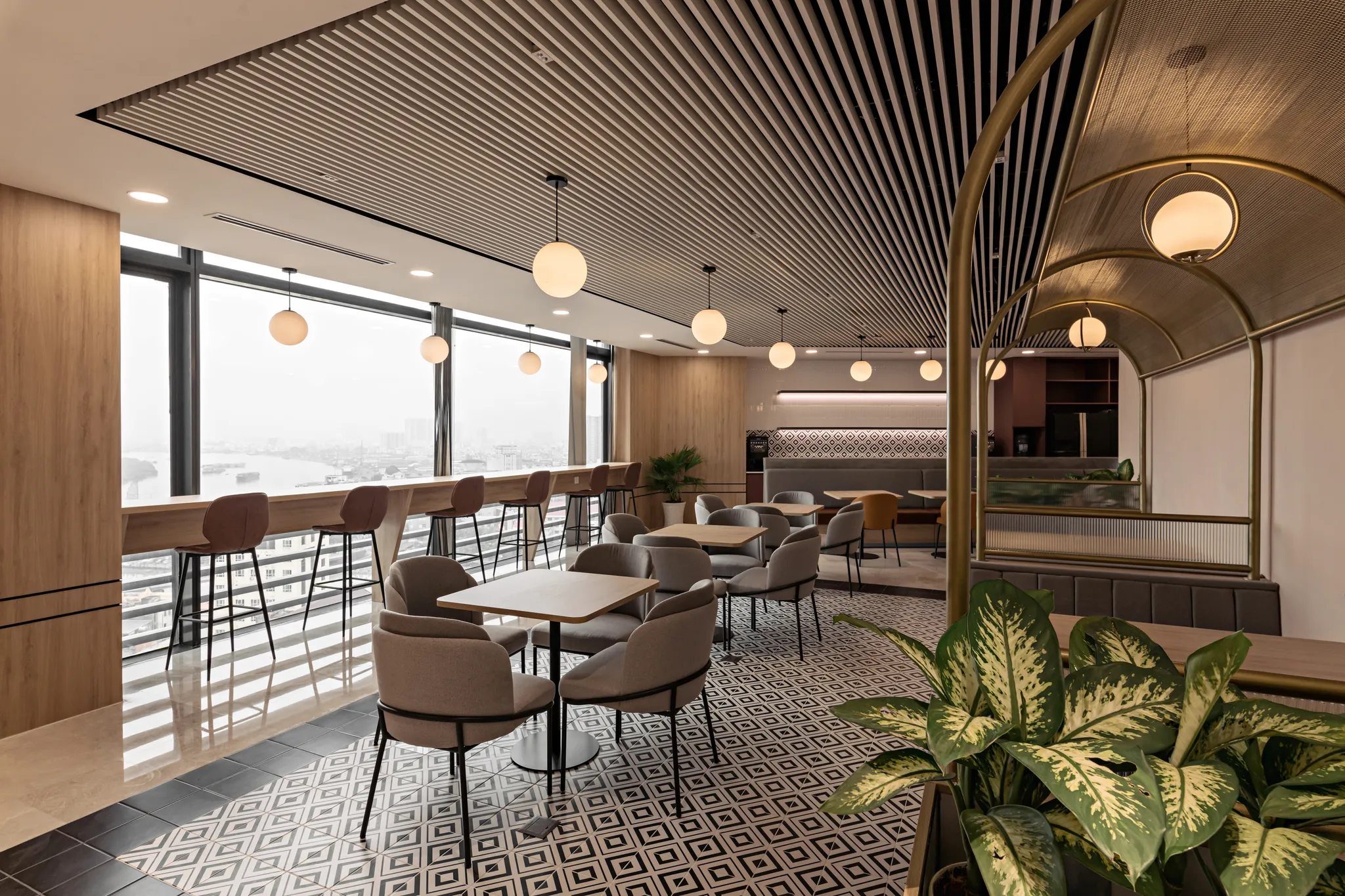
Savills champions water conservation with precise monitoring in toilets and shower rooms. A thoughtful selection of eco-friendly materials underscores their environmental values. The inclusion of a dedicated bicycle park encourages eco-friendly commuting and fosters a culture of sustainability. A robust waste classification system minimizes waste generation and promotes recycling. Savills' Gold LEED certification not only highlights their dedication to sustainability but also reaps substantial benefits, enhancing employee well-being, realizing cost savings, and creating a workspace that mirrors their unwavering commitment to ecological responsibility.
Case Study 3: Jotun Office - Silver LEED Certificate
Jotun, a leading coatings and paint manufacturer, champions sustainability within its office environment, which is situated in an industrial zone. Their commitment extends to ensuring that the working environment for office employees remains pristine in all aspects. This dedication encompasses clean air, water, sound, and acoustic conditions, prioritizing the well-being and productivity of their workforce.
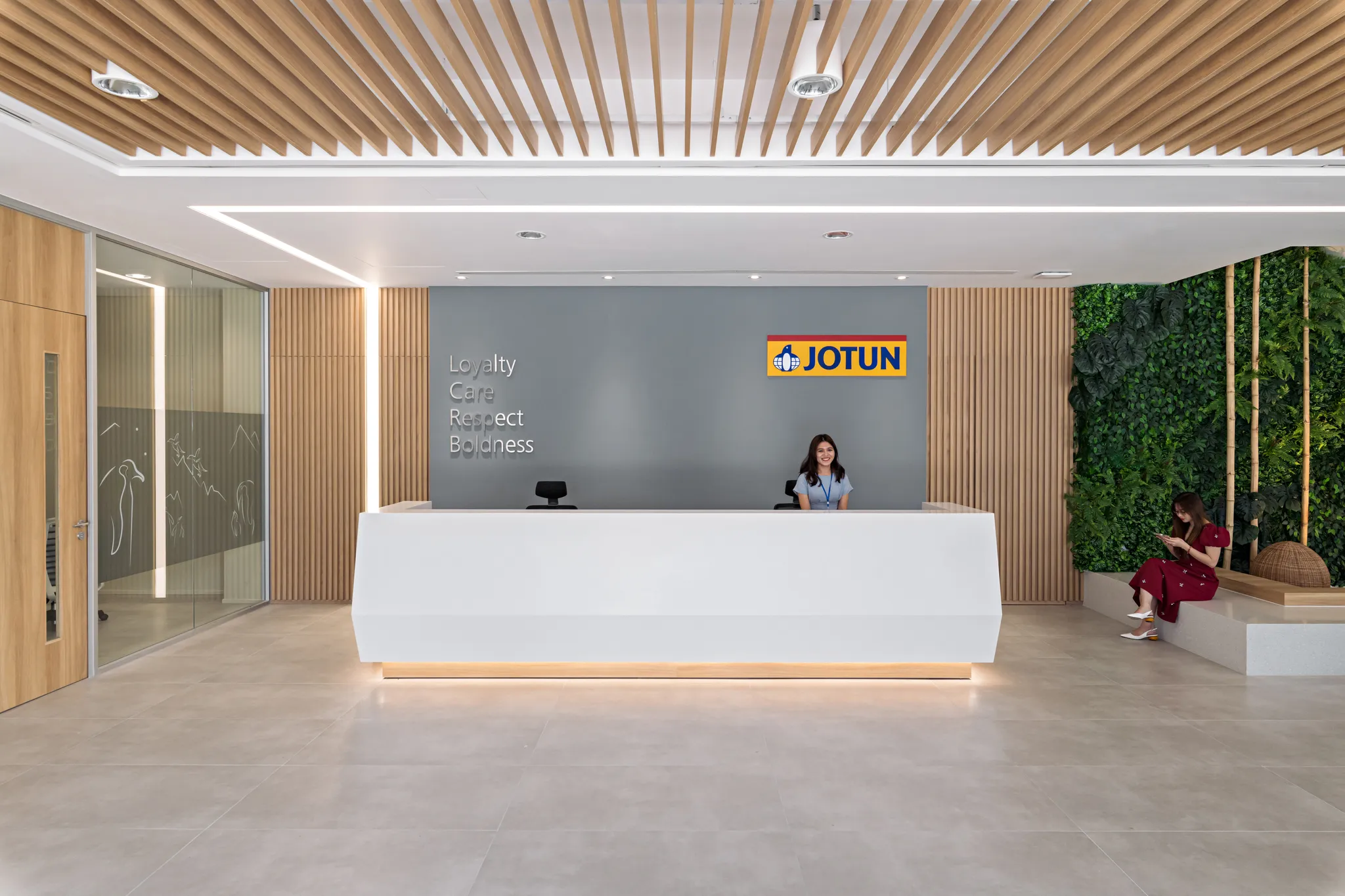
Moreover, Jotun's newly designed office employs an intelligent lighting system equipped with sensors. This innovative system automatically adjusts the intensity of light based on external environmental factors. By harnessing natural light when available and optimizing artificial lighting as needed, Jotun not only enhances energy efficiency but also provides employees with an adaptable and comfortable workspace.
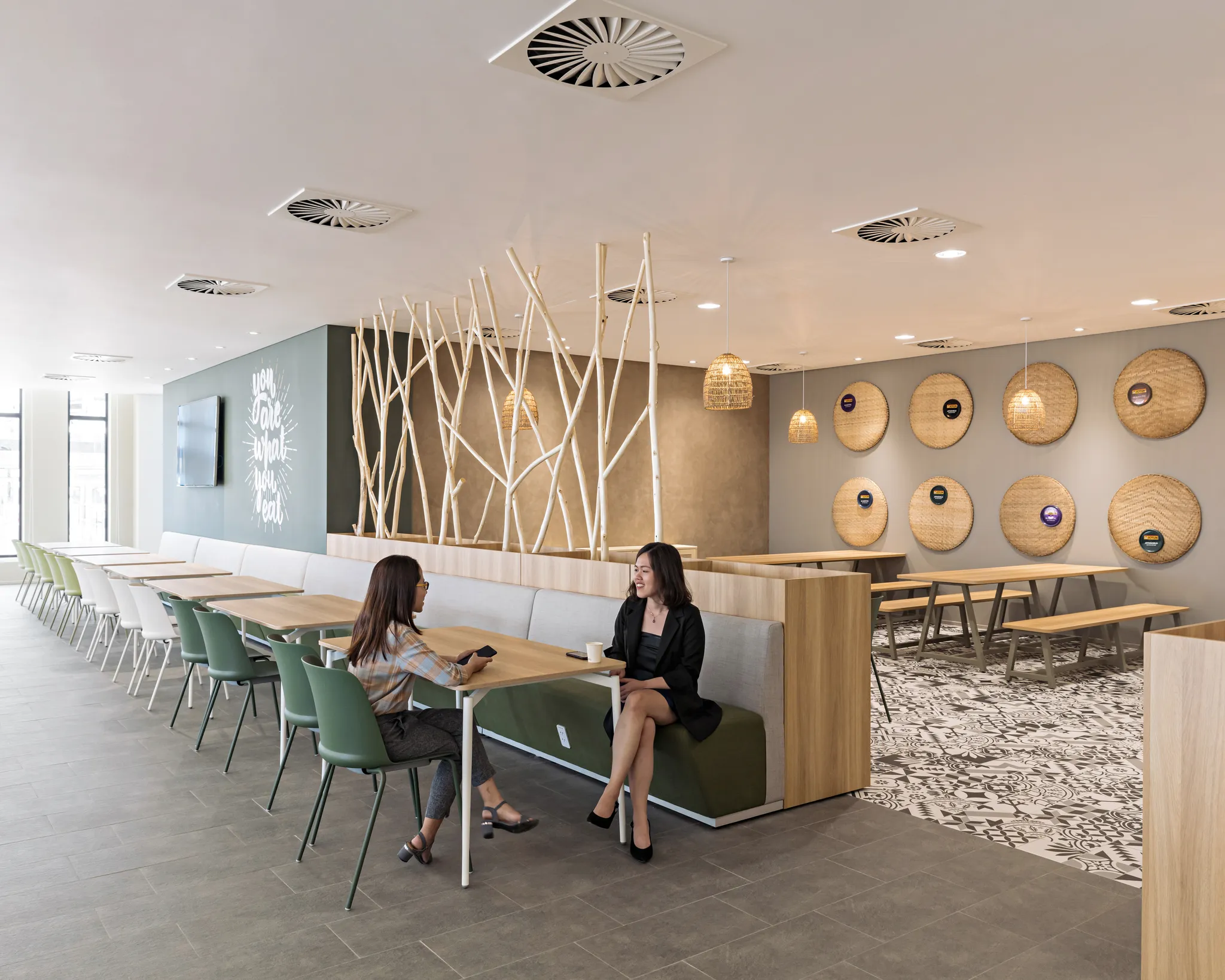
These conscientious design choices epitomize Jotun's holistic approach to sustainability, reaffirming their commitment to environmental stewardship while fostering a conducive and responsive work environment for their employees.
Industry Best Practices
Beyond the illustrative case studies, sustainable workplace design rests upon a foundation of industry best practices. To bolster environmental sustainability in the workplace, organizations should consider:
1. Strategic Energy Efficiency
Deploying energy-efficient lighting, HVAC systems, and appliances to significantly diminish energy consumption, accompanied by the integration of smart technologies for resource optimization.
2. Resource Conservation
Prioritizing the use of recycled and sustainable materials for furnishings and finishes, thereby extending product lifespan and minimizing environmental impact.
3. Natural Ventilation
Designing workspaces that facilitate natural ventilation and capitalize on natural light, subsequently enhancing employee comfort and reducing energy costs.
4. Waste Reduction
Incorporating waste reduction initiatives such as recycling programs and waste diversion systems to curtail the environmental repercussions of daily operations.
5. Certifications for Sustainability
Pursuing recognized green building certifications like LEED, BREEAM, or WELL, ensuring adherence to globally acknowledged sustainability benchmarks.
Quantifying the Economic Advantages
The economic benefits derived from sustainable workplace design are formidable. Organizations investing in sustainability within their workspace experience:
In Conclusion: Pioneering an ESG-Infused Future
Sustainable workplace design, once viewed as a niche trend, has blossomed into a strategic imperative with far-reaching implications. The case studies of Unilever, Savills, and Jotun serve as vivid exemplars of the tangible, quantifiable advantages that await organizations that elect to make sustainability an intrinsic facet of their workspace. By judiciously embracing industry best practices and pursuing internationally recognized certifications, organizations lay the groundwork for an ESG-infused future where economic prosperity and ecological stewardship coalesce seamlessly.
Content
Share
Insights

25 Feb, 2025
5 mins read
Focus Boost: Elevating Productivity Through Smart Workplace Design
The modern workplace has evolved significantly, with open-plan offices becoming the norm for fostering collaboration and teamwork. However, while these layouts promote communication, they also introduce challenges—particularly the issue of noise and distractions. Employees often struggle to concentrate in an environment filled with constant movement, conversations, and workplace chatter.
13 May, 2024
4 mins read
Fostering Inclusivity: Building a Workplace Where Everyone Thrives
In today's business landscape, inclusivity extends far beyond mere diversity; it encompasses a strategic vision where every employee is actively engaged and valued. This enriched environment is not just an ethical choice but a business imperative that drives innovation and profitability.

01 Dec, 2025
2 mins read
How Does ADP Build the Largest Customer Service Teams in the Market?
The Handover Is Not the End, It’s the Beginning Many companies see the handover moment as the finish line. ADP sees it as the start of a new journey. Workplaces are living systems. Mechanical equipment ages, technologies evolve, teams grow, functions shift, departments change - a space that was perfect on day one may need adjustments six months later. While a project that ends at handover inevitably becomes a burden for clients, a project that continues through after-sales support becomes a lasting partnership. A Dedicated Team of Experts Behind Every Workplace Our Customer Service team is more than just support, it’s a backbone for every space we deliver. With 36 specialists across three branches, led by team leaders with over 10 years of experience, we have managed 600,000 sqm of workspace with precision and care. From unexpected storms to aging building systems, our experts are ready day or night to resolve complex issues, restore operations, and ensure every workplace continues to function seamlessly. This is the reliability and responsiveness that sets ADP apart. Proactive Maintenance Protects Employee Experience & Productivity Most others' customer service wait for problems to appear - then react. ADP’s approach is the opposite: we monitor proactively, with regular inspections, preventive maintenance, and continuous workspace optimization. This avoids sudden breakdowns, reduces downtime, and ensures employees always experience the space at its best, from lighting quality to air comfort and acoustics. Besides, a dedicated customer service team helps extend the lifecycle of every element in the office: furniture, equipment, mechanical systems, lighting, and layouts. This reduces waste, prevents premature renovation, and supports a more responsible approach to workspace management. Trust Built Through Everyday Reliability One of the most meaningful forms of feedback we receive is hearing how clients feel genuinely supported by our Customer Service team. This trust is echoed by long-term partners such as Shinhan Bank, PwC, Lynk & Co, TEC, and Columbia Sportswear, who rely on us not just for what we build, but for what we continue to care for. Their stories highlight the kind of service we strive to deliver. These aren’t extraordinary moments to us, they are part of the everyday commitment we bring to each client relationship. We are deeply grateful for their trust and remain steadfast in our promise to keep every workplace reliable, ready, and well cared for.


