
Key Sustainability Trends Reshaping the Workplace in 2025
02 Apr, 2025
5 min read

In 2025, sustainability is no longer a choice but a strategic imperative—deeply influencing how companies design, operate, and evolve their workplaces. Businesses in Vietnam and globally are embracing sustainability to meet environmental goals, enhance brand value, attract top talent, and future-proof operations. At ADP, we are proud to stand at the forefront of this movement, co-creating sustainable and human-centric workplaces with our clients across various industries.
Understanding and responding to these trends is critical for business leaders looking to remain competitive, meet ESG commitments, and future-proof their workplaces in a rapidly changing world. Here are six defining trends leading the way:
1. Green-Certified Buildings Become the Norm
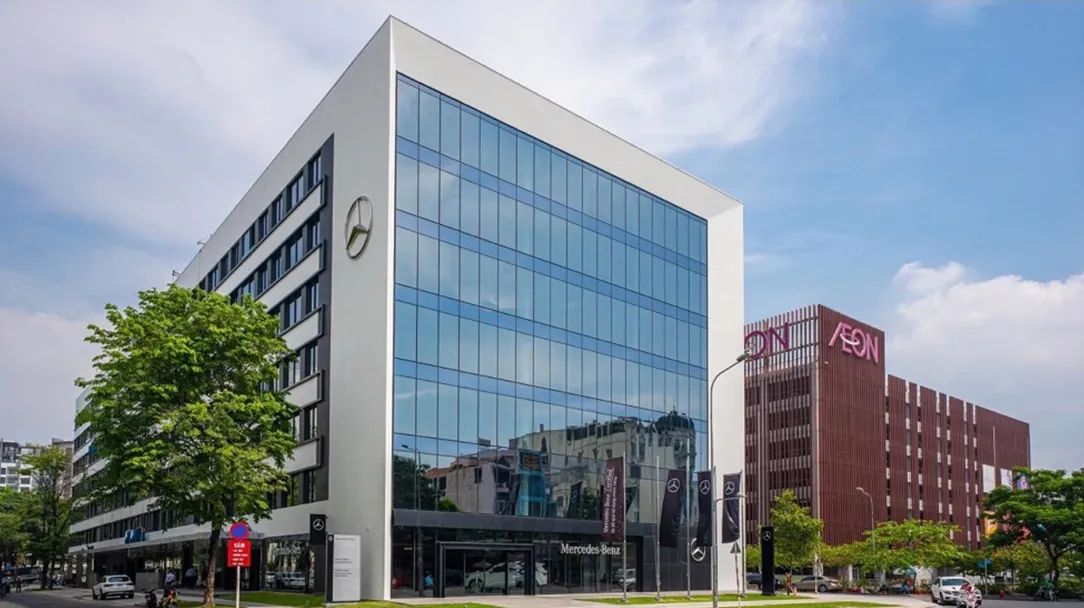
Today’s tenants seek more than just a beautiful office—they want high-performing buildings that align with global sustainability benchmarks. Certifications such as LEED (Leadership in Energy and Environmental Design), WELL, and EDGE have become standard indicators of quality and performance.
Certified green buildings offer:
• Energy-efficient lighting, HVAC, and water systems
• Optimized layouts for daylight access and ventilation
• Lower operating costs and reduced carbon emissions
• Enhanced employee wellness through better air and light quality
In Vietnam, Grade A buildings like Capital Place and The METT have raised the bar by achieving LEED standards, meeting the expectations of international tenants.
Choosing a green-certified building is also a way for companies to demonstrate environmental accountability and align with Vietnam’s national sustainability goals, such as the government's commitment to achieving net-zero carbon emissions by 2050. Furthermore, enterprises located in certified buildings may benefit from incentives such as energy-efficiency subsidies, enhanced public image, and potential tax advantages aligned with green building initiatives promoted by local authorities.
2. Responsible Use of Materials
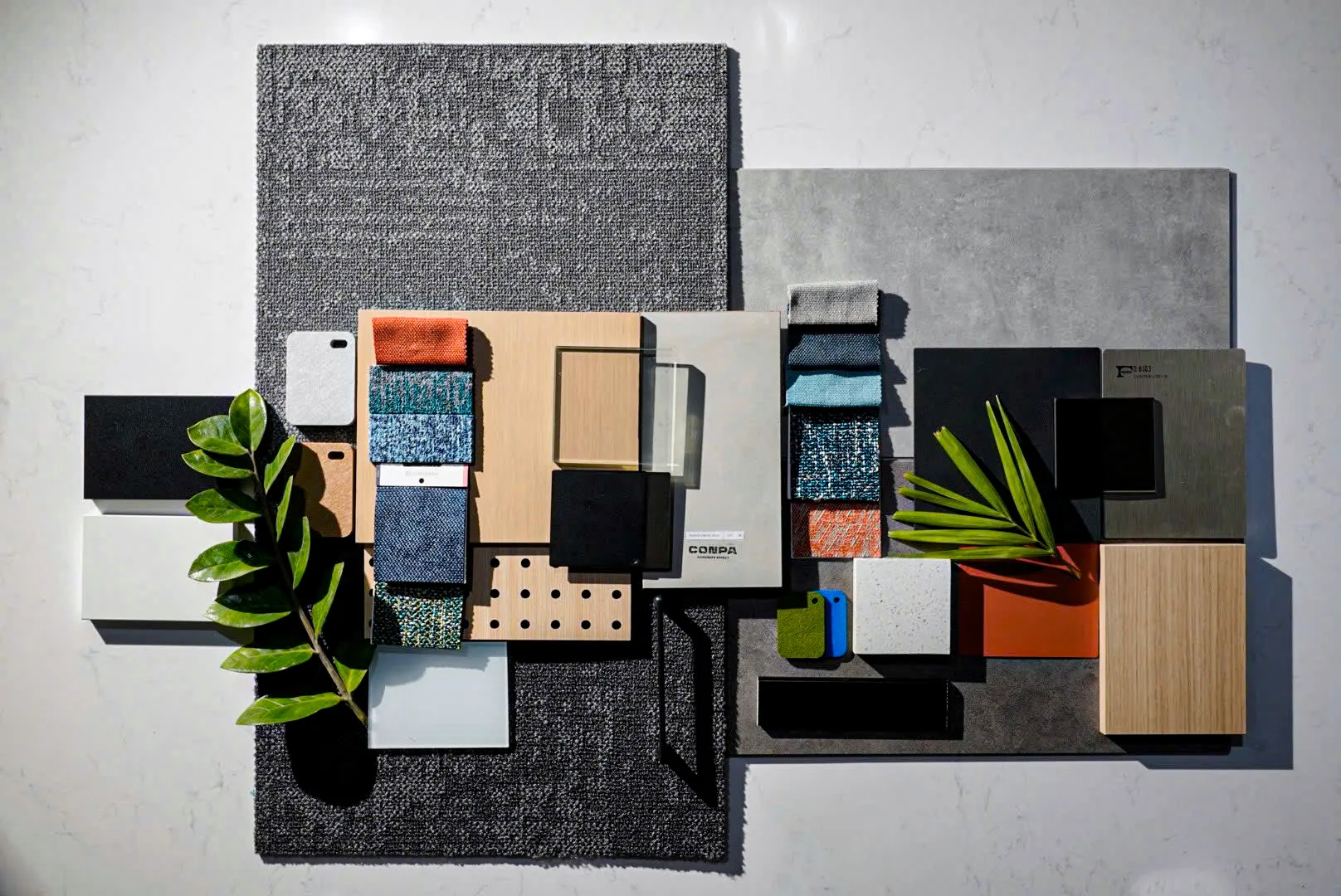
A sustainable workplace starts with what it’s made of. Designers and contractors are more intentional than ever about sourcing materials that are not only durable but also environmentally responsible.
Key practices include:
• Using FSC-certified wood and low-VOC paints
• Selecting locally sourced furniture to reduce transportation emissions
• Integrating recycled and recyclable materials into workstations, partitions, and acoustic treatments
• Applying modular design principles to extend the product lifecycle
Responsible material choices also play a role in improving employee health and well-being—an essential part of any sustainable workplace strategy.
3. Smart Monitoring for Energy and Resource Use
Thanks to advances in IoT and smart building systems, companies now have real-time visibility into how energy and resources are consumed. Smart offices use this data to optimize performance, reduce waste, and hit ambitious ESG targets.
Common features include:
• Sensors for lighting, occupancy, and air quality
• Energy dashboards to track electricity and HVAC performance
• Water-saving fixtures with usage analytics
• CO2 emission calculators and green reporting systems
This data-driven approach doesn’t just support sustainability—it also improves cost-efficiency and helps facility managers make faster, better decisions. For example, offices that implement smart energy monitoring systems can reduce electricity consumption by up to 25%, while predictive maintenance based on occupancy sensors can lead to 15–20% savings in operational costs annually.
4. A Focus on Wellness Through Biophilic Design
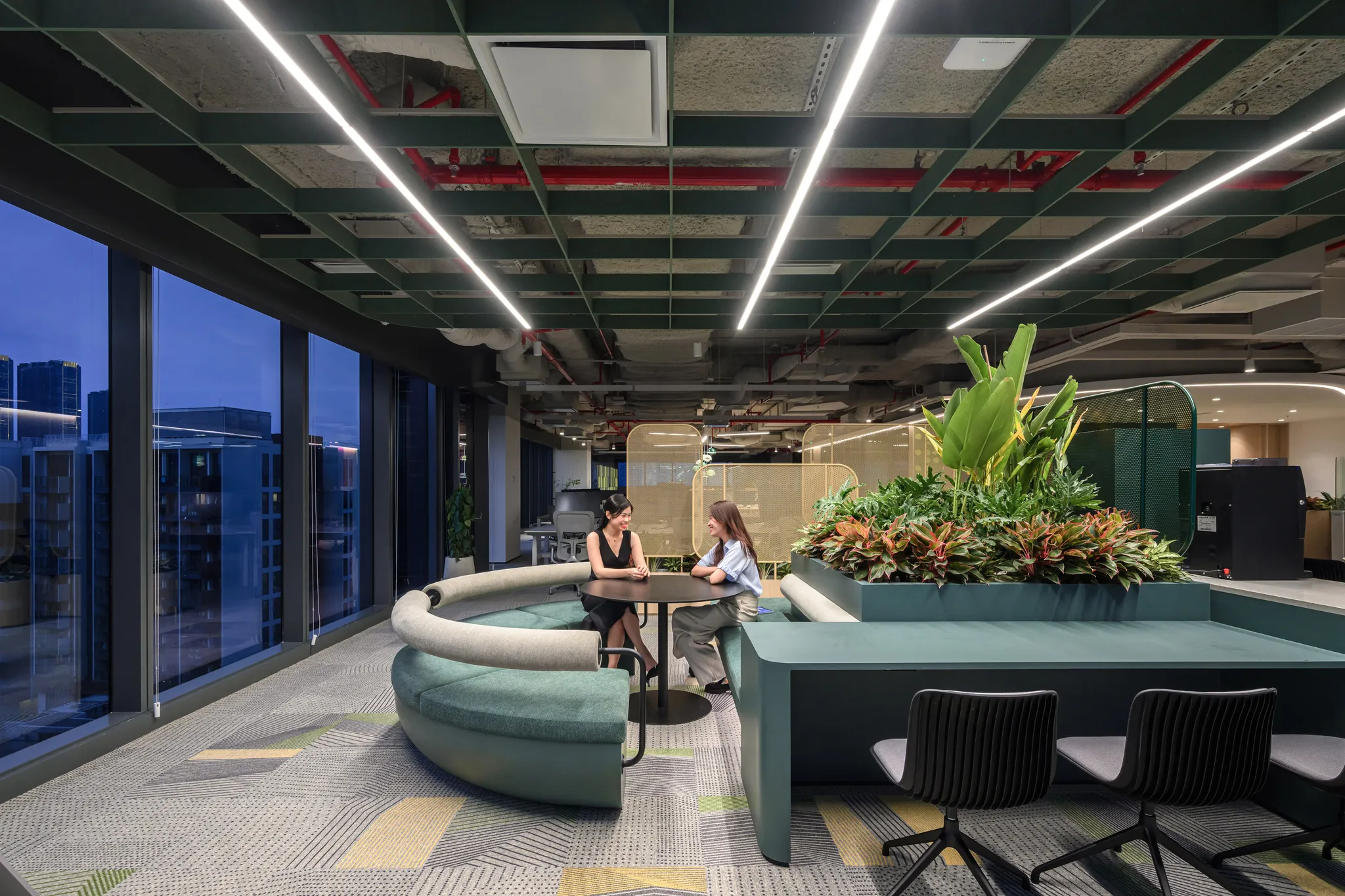
The connection between sustainability and employee well-being is stronger than ever. Biophilic design—which brings elements of nature into the office—has been proven to reduce stress, increase productivity, and enhance employee satisfaction.
Key applications:
• Incorporating natural light, ventilation, and greenery
• Designing open spaces with visual access to the outdoors
• Using nature-inspired textures and colors in finishes and furniture
• Offering wellness-focused amenities like quiet rooms, nap pods, and ergonomic furniture
Hybrid work models have also influenced this shift. Offices are no longer just work zones—they’re wellness hubs where people recharge, collaborate, and thrive.
5. Circular Fit-Out and Adaptive Reuse
Sustainability also means designing for longevity. The shift away from “rip and replace” office renovations is leading to more circular and adaptive design practices:
• Reusing existing walls, partitions, ceilings, and raised floors
• Choosing furniture and materials that can be refurbished, reconfigured, or recycled
• Favoring flexible layouts that adapt to future changes
• Implementing fit-out programs with minimal construction waste
This approach minimizes environmental impact, shortens construction timelines, and reduces costs—while still delivering functional and aesthetic excellence.
6. Building a Culture of Responsibility
The most sustainable workplaces are supported by employees who believe in the mission. Companies are building internal programs to engage staff and promote a culture of environmental responsibility:
• Organizing sustainability awareness events and campaigns
• Creating visible recycling and waste-sorting stations
• Promoting green commuting options (bike parking, EV charging, public transport subsidies)
• Supporting hybrid work to cut commuting emissions and reduce office energy use
Employees increasingly expect their workplace to reflect their personal values. According to a 2023 Deloitte survey, 60% of Gen Z and Millennial workers consider a company’s environmental and social impact when deciding where to work. This growing expectation reinforces the need for organizations to embed sustainability into their workplace culture and design. A strong culture of responsibility can boost morale, retention, and brand loyalty.
How ADP Leads the Way
As Vietnam becomes a regional hub for innovation and investment, ADP is proud to help companies create work environments that are not only modern and efficient—but also ethical and sustainable.
Whether it’s incorporating certified green materials, optimizing daylight, improving indoor air quality, or designing agile layouts that adapt to hybrid models, we embed sustainability into every aspect of our work.
ADP has delivered numerous LEED-certified office projects, including fit-outs for:
• Unilever Vietnam Headquarters
• McKinsey’s Hanoi Office
• Johnson & Johnson
• NAB
• CIMB
• BASF
Most recently, our own ADP Ho Chi Minh Office was awarded the LEED Gold certification, setting a new internal benchmark for environmentally responsible and people-centric design. The space showcases ADP’s design philosophy through its use of natural daylight, energy-efficient systems, flexible layouts, and sustainable materials—demonstrating how thoughtful interior fit-outs can actively support both business and environmental goals.
Let’s shape the future of work—sustainably.
Content
Share
Insights

25 Feb, 2025
5 mins read
Focus Boost: Elevating Productivity Through Smart Workplace Design
The modern workplace has evolved significantly, with open-plan offices becoming the norm for fostering collaboration and teamwork. However, while these layouts promote communication, they also introduce challenges—particularly the issue of noise and distractions. Employees often struggle to concentrate in an environment filled with constant movement, conversations, and workplace chatter.
13 May, 2024
4 mins read
Fostering Inclusivity: Building a Workplace Where Everyone Thrives
In today's business landscape, inclusivity extends far beyond mere diversity; it encompasses a strategic vision where every employee is actively engaged and valued. This enriched environment is not just an ethical choice but a business imperative that drives innovation and profitability.

01 Dec, 2025
2 mins read
How Does ADP Build the Largest Customer Service Teams in the Market?
The Handover Is Not the End, It’s the Beginning Many companies see the handover moment as the finish line. ADP sees it as the start of a new journey. Workplaces are living systems. Mechanical equipment ages, technologies evolve, teams grow, functions shift, departments change - a space that was perfect on day one may need adjustments six months later. While a project that ends at handover inevitably becomes a burden for clients, a project that continues through after-sales support becomes a lasting partnership. A Dedicated Team of Experts Behind Every Workplace Our Customer Service team is more than just support, it’s a backbone for every space we deliver. With 36 specialists across three branches, led by team leaders with over 10 years of experience, we have managed 600,000 sqm of workspace with precision and care. From unexpected storms to aging building systems, our experts are ready day or night to resolve complex issues, restore operations, and ensure every workplace continues to function seamlessly. This is the reliability and responsiveness that sets ADP apart. Proactive Maintenance Protects Employee Experience & Productivity Most others' customer service wait for problems to appear - then react. ADP’s approach is the opposite: we monitor proactively, with regular inspections, preventive maintenance, and continuous workspace optimization. This avoids sudden breakdowns, reduces downtime, and ensures employees always experience the space at its best, from lighting quality to air comfort and acoustics. Besides, a dedicated customer service team helps extend the lifecycle of every element in the office: furniture, equipment, mechanical systems, lighting, and layouts. This reduces waste, prevents premature renovation, and supports a more responsible approach to workspace management. Trust Built Through Everyday Reliability One of the most meaningful forms of feedback we receive is hearing how clients feel genuinely supported by our Customer Service team. This trust is echoed by long-term partners such as Shinhan Bank, PwC, Lynk & Co, TEC, and Columbia Sportswear, who rely on us not just for what we build, but for what we continue to care for. Their stories highlight the kind of service we strive to deliver. These aren’t extraordinary moments to us, they are part of the everyday commitment we bring to each client relationship. We are deeply grateful for their trust and remain steadfast in our promise to keep every workplace reliable, ready, and well cared for.


