
Elevating the "S" in ESG: A Strategic Guide to Embracing Social Responsibility Through Workplace Design
13 Oct, 2023
5 min read
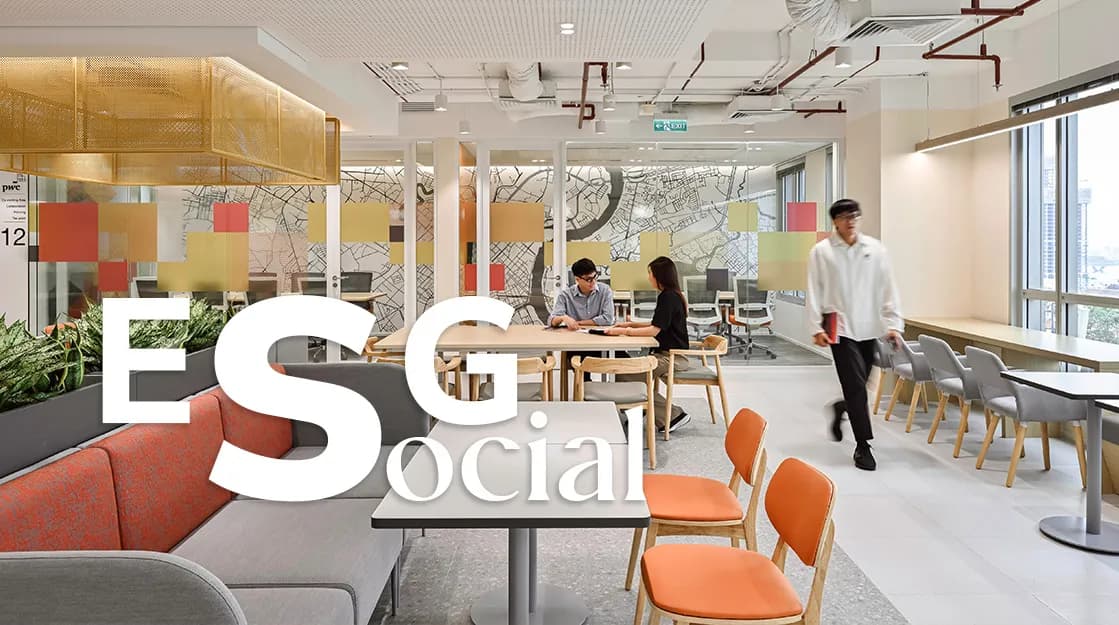
As organizations worldwide increasingly adopt the principles of ESG (Environmental, Social, and Governance) as a compass for responsible and sustainable business practices, the "S" in ESG takes center stage. The "S" stands for "Social," emphasizing the importance of fostering a workplace that prioritizes people, diversity, and social well-being. While ESG encompasses many facets of an organization's operations, the workplace can be a powerful vehicle for promoting social responsibility and inclusivity. As an expert ESG consultant, I'll provide insights into how organizations can strategically elevate the "S" in ESG through their workplace design.
1. Embrace Inclusive Design
Inclusive design goes beyond mere compliance with accessibility regulations; it's about creating a space where every individual, regardless of their abilities or background, can thrive. Organizations should adopt universal design principles to make the workplace welcoming and accommodating for everyone. This includes ergonomic seating, adjustable workstations, and thoughtful layouts that consider diverse needs. By doing so, organizations demonstrate a commitment to diversity, equity, and inclusion, key components of the "S" in ESG.
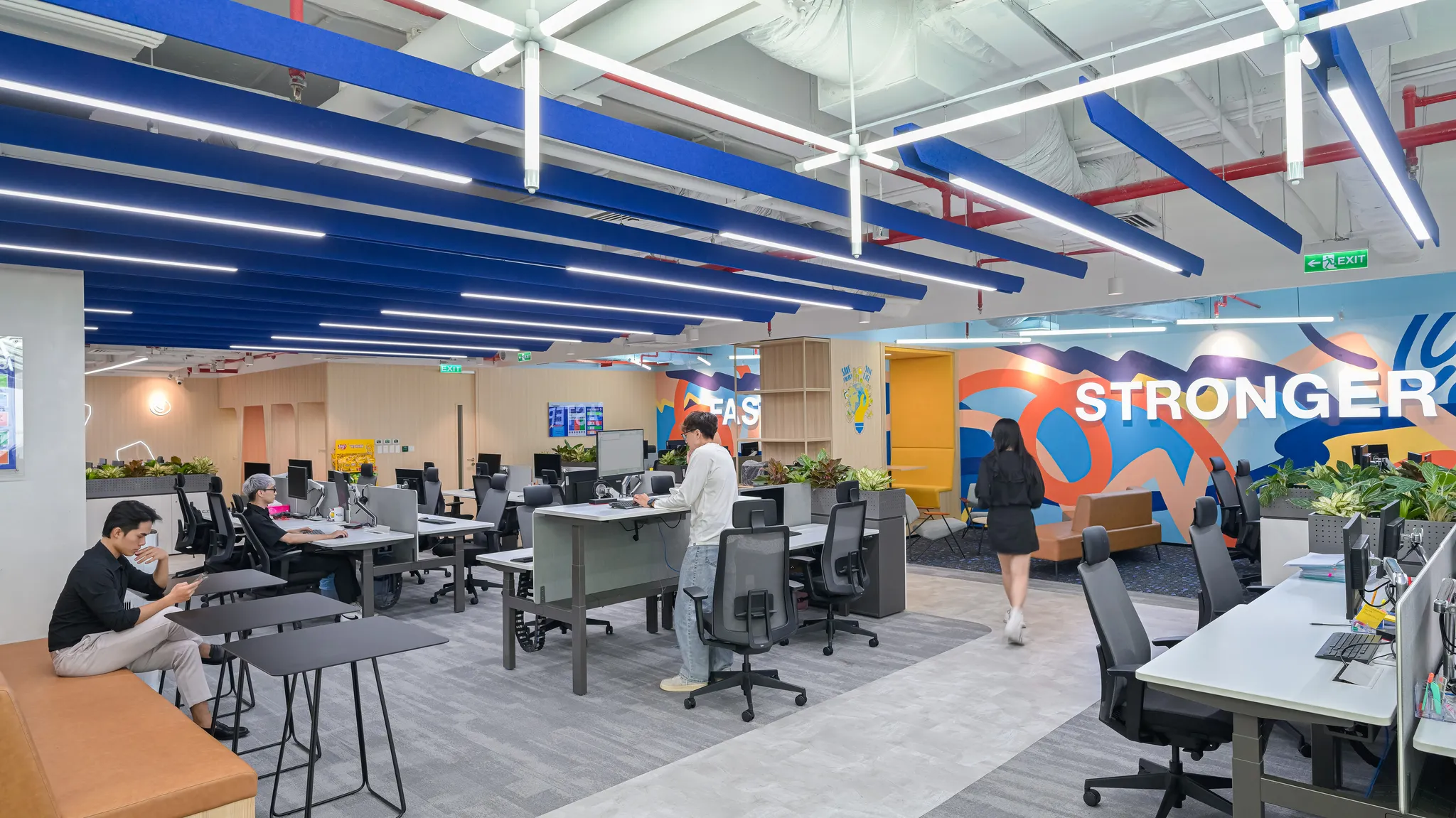
Did you know: According to a study by the Global Disability Rights Now initiative, 15% of the world's population lives with some form of disability. By embracing universal design principles, organizations can make their workplace accessible and accommodating for this substantial portion of the workforce.
2. Prioritize Employee Well-being
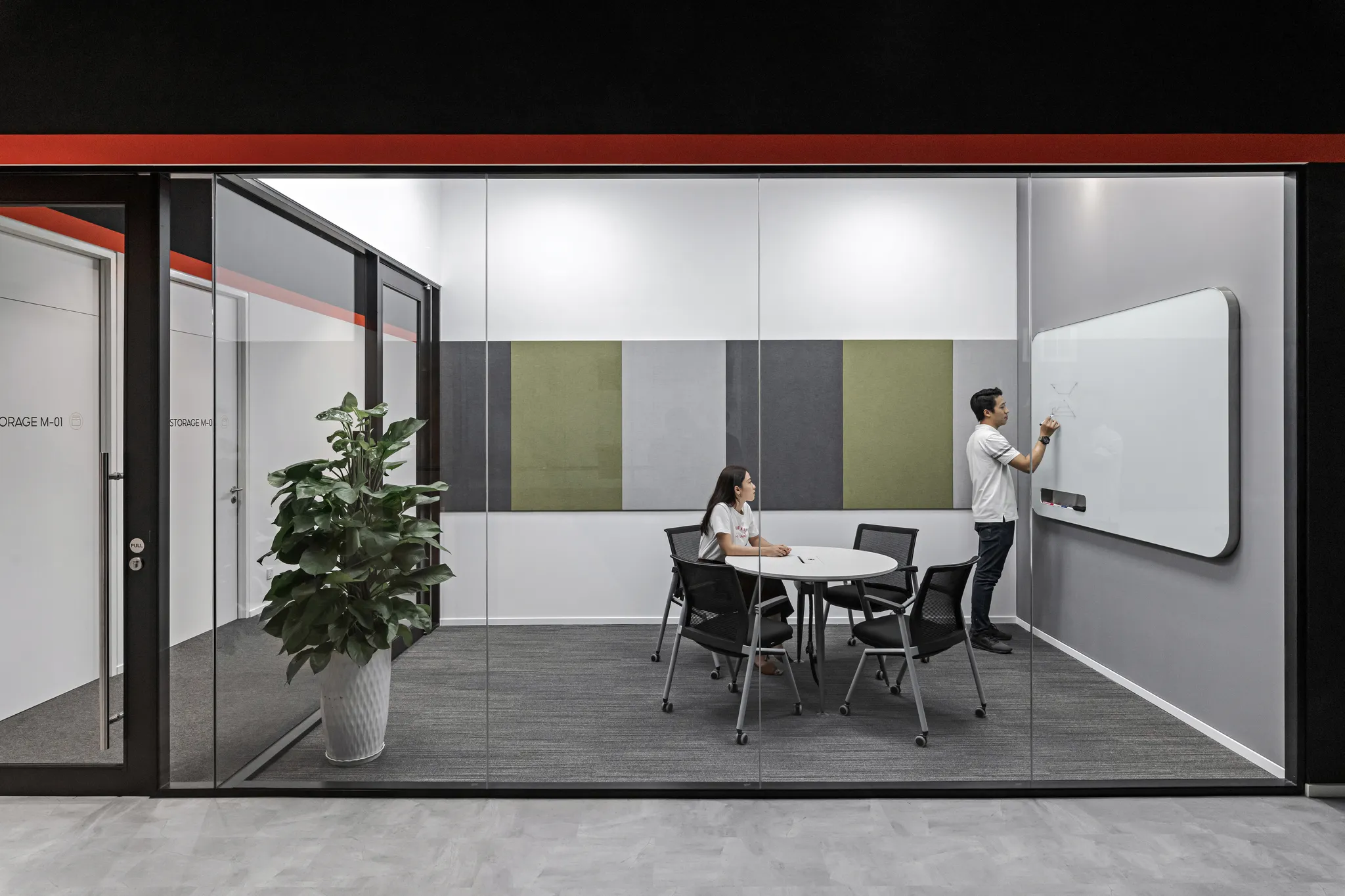
Well-designed workspaces contribute to employee well-being. Consider factors like lighting, acoustics, and comfortable work environments. Promote mental health through quiet spaces for focused work and areas that cater to employee relaxation and stress reduction. When employees feel that their well-being is a priority, they are more likely to be engaged, satisfied, and productive.
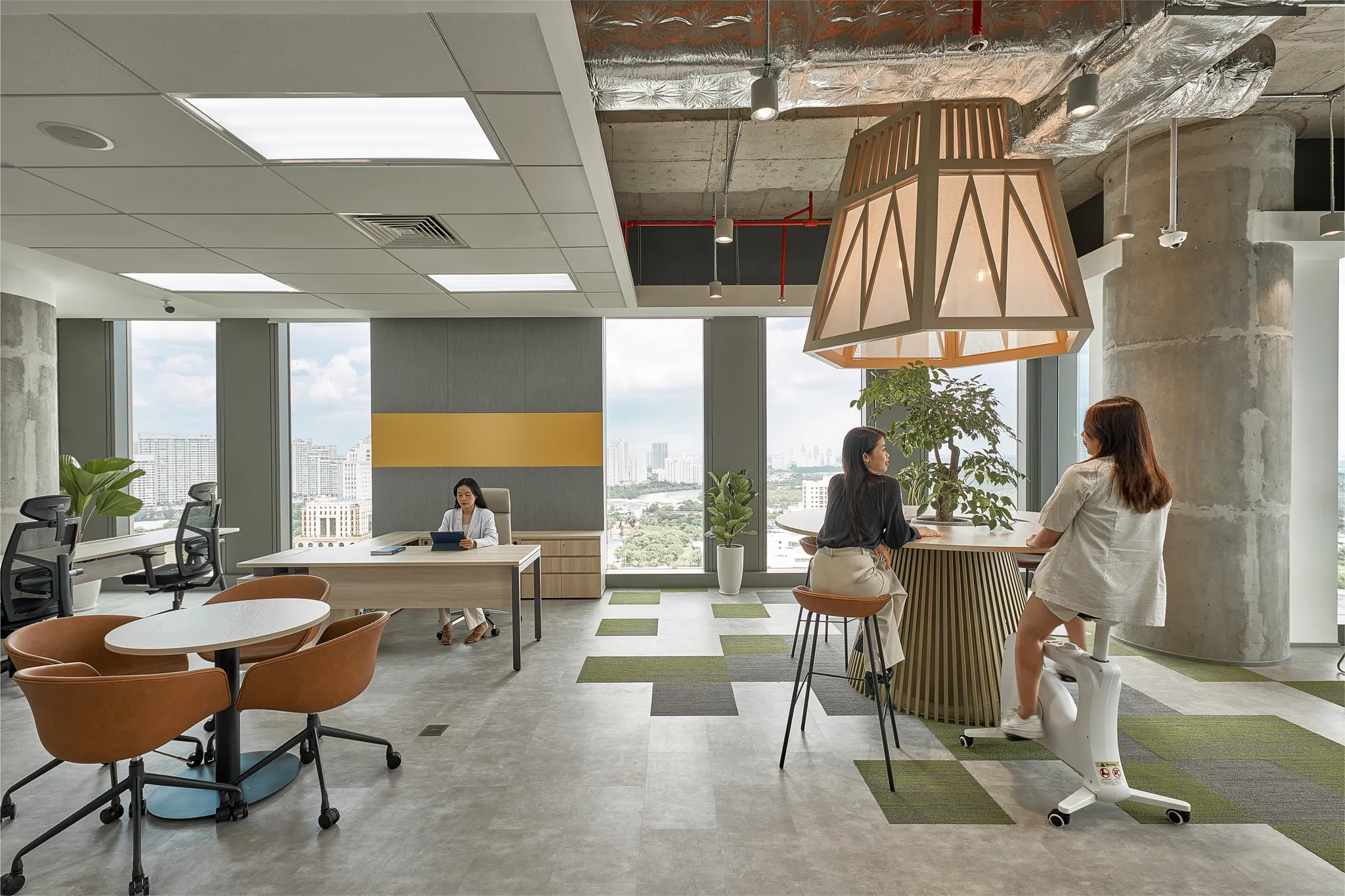
In a survey by the American Psychological Association, 89% of employees at companies that support well-being initiatives reported greater job satisfaction, while 90% reported feeling more motivated at work. Employee well-being directly impacts workplace productivity and job satisfaction.
3. Encourage Sustainable Commuting
Foster social responsibility outside the workplace by encouraging sustainable commuting. Provide bike racks, showers, and changing rooms to support employees who cycle to work. Implement carpooling initiatives, subsidize public transportation, or offer remote work options. By promoting eco-friendly commuting, organizations positively impact both the environment and the social well-being of their employees.
4. Support Diversity and Inclusion Initiatives
Actively support diversity and inclusion initiatives within the workplace. Establish affinity groups, and mentorship programs, and provide diversity training. By fostering an inclusive culture, organizations contribute to social responsibility while boosting employee morale and fostering a more innovative and dynamic workforce.
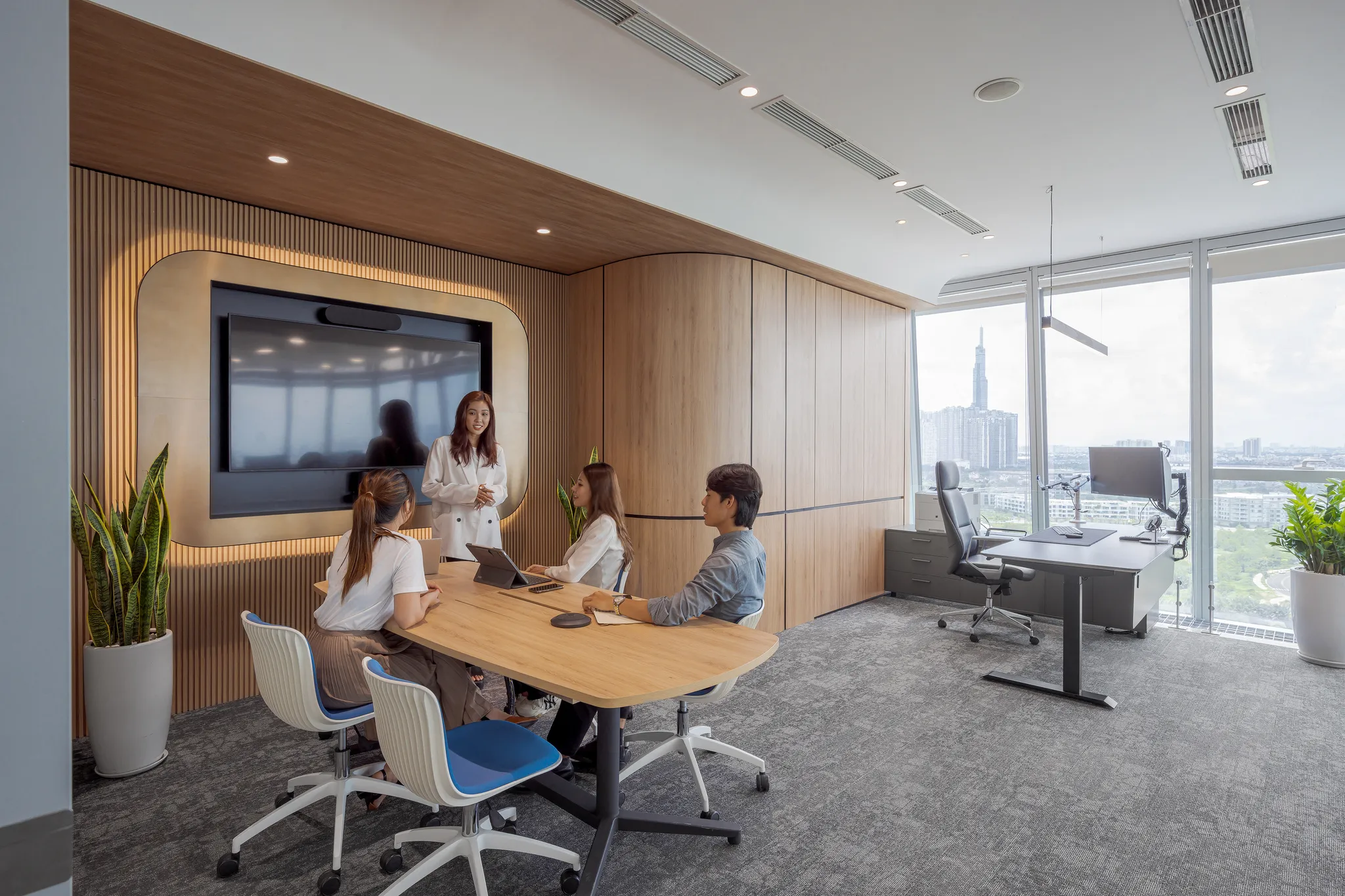
Diversity drives innovation: According to a study by McKinsey, companies with greater gender and ethnic diversity are 33% more likely to outperform their peers. Diversity and inclusion initiatives are not just socially responsible but also have a clear impact on a company's bottom line.
5. Enable Employee Empowerment
In an inclusive workplace, employees should have a voice in the design and layout of their workspaces. Encourage employees to provide feedback and suggestions for improvements. Employee involvement in decision-making processes empowers them, contributing to a sense of belonging and social well-being.
Engaged employees perform better: In Gallup's State of the Global Workplace report, they found that organizations with highly engaged employees outperform those with less engaged employees by 202% in terms of customer service and 147% in profitability.
6. Promote Health and Safety
Prioritize health and safety measures in the workplace. Implement robust health and safety programs to safeguard employees' physical and mental well-being. Consider wellness programs, on-site medical facilities, and policies that address workplace stressors. A focus on health and safety reflects an organization's dedication to social responsibility.
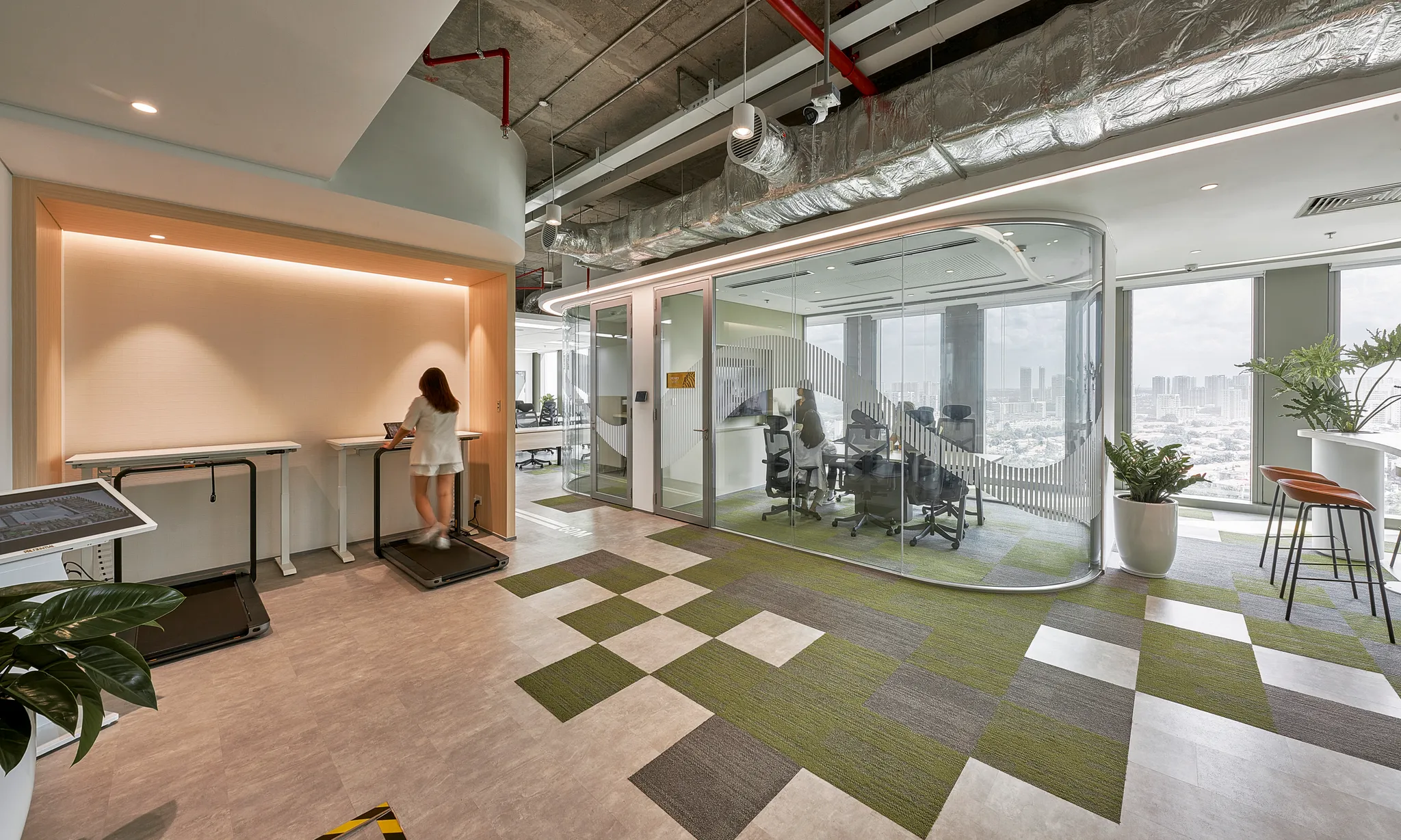
Safety saves money: The National Safety Council reported that for every dollar invested in workplace safety, organizations can save between $2 and $6. Prioritizing health and safety measures not only demonstrates social responsibility but also results in substantial cost savings.
7. Measure and Report Social Impact
To truly elevate the "S" in ESG, it's essential to measure and report social impact. Implement key performance indicators (KPIs) related to diversity, inclusivity, and employee satisfaction. Regularly report on the progress and impact of workplace initiatives to shareholders, stakeholders, and the broader community.
Conclusion: A Path to ESG Excellence
Elevating the "S" in ESG through workplace design is more than an obligation; it's a strategic move that fosters a harmonious, productive, and responsible work environment. By embracing inclusive design, prioritizing employee well-being, encouraging sustainable commuting, and supporting diversity and inclusion initiatives, organizations can create workplaces that exemplify social responsibility. This not only positively impacts employees but also reflects favorably on the organization's reputation and bottom line, positioning them as leaders in ESG excellence. As an ESG consultant, I invite organizations to seize this opportunity to lead by example, foster a culture of social responsibility, and contribute to a brighter, more sustainable future.
Content
Share
Insights

25 Feb, 2025
5 mins read
Focus Boost: Elevating Productivity Through Smart Workplace Design
The modern workplace has evolved significantly, with open-plan offices becoming the norm for fostering collaboration and teamwork. However, while these layouts promote communication, they also introduce challenges—particularly the issue of noise and distractions. Employees often struggle to concentrate in an environment filled with constant movement, conversations, and workplace chatter.
13 May, 2024
4 mins read
Fostering Inclusivity: Building a Workplace Where Everyone Thrives
In today's business landscape, inclusivity extends far beyond mere diversity; it encompasses a strategic vision where every employee is actively engaged and valued. This enriched environment is not just an ethical choice but a business imperative that drives innovation and profitability.

01 Dec, 2025
2 mins read
How Does ADP Build the Largest Customer Service Teams in the Market?
The Handover Is Not the End, It’s the Beginning Many companies see the handover moment as the finish line. ADP sees it as the start of a new journey. Workplaces are living systems. Mechanical equipment ages, technologies evolve, teams grow, functions shift, departments change - a space that was perfect on day one may need adjustments six months later. While a project that ends at handover inevitably becomes a burden for clients, a project that continues through after-sales support becomes a lasting partnership. A Dedicated Team of Experts Behind Every Workplace Our Customer Service team is more than just support, it’s a backbone for every space we deliver. With 36 specialists across three branches, led by team leaders with over 10 years of experience, we have managed 600,000 sqm of workspace with precision and care. From unexpected storms to aging building systems, our experts are ready day or night to resolve complex issues, restore operations, and ensure every workplace continues to function seamlessly. This is the reliability and responsiveness that sets ADP apart. Proactive Maintenance Protects Employee Experience & Productivity Most others' customer service wait for problems to appear - then react. ADP’s approach is the opposite: we monitor proactively, with regular inspections, preventive maintenance, and continuous workspace optimization. This avoids sudden breakdowns, reduces downtime, and ensures employees always experience the space at its best, from lighting quality to air comfort and acoustics. Besides, a dedicated customer service team helps extend the lifecycle of every element in the office: furniture, equipment, mechanical systems, lighting, and layouts. This reduces waste, prevents premature renovation, and supports a more responsible approach to workspace management. Trust Built Through Everyday Reliability One of the most meaningful forms of feedback we receive is hearing how clients feel genuinely supported by our Customer Service team. This trust is echoed by long-term partners such as Shinhan Bank, PwC, Lynk & Co, TEC, and Columbia Sportswear, who rely on us not just for what we build, but for what we continue to care for. Their stories highlight the kind of service we strive to deliver. These aren’t extraordinary moments to us, they are part of the everyday commitment we bring to each client relationship. We are deeply grateful for their trust and remain steadfast in our promise to keep every workplace reliable, ready, and well cared for.


