
Designing Against Toxicity: Harnessing Workspace Design to Foster Mental Well-being
01 Aug, 2024
5 min read

Introduction
In recent years, the corporate world has become increasingly aware of the impact of workplace toxicity on employee well-being and productivity. Research from McKinsey highlights a worrying trend: over 60% of negative workplace outcomes, including burnout and high turnover rates, are attributed to toxic workplace behavior. In Vietnam, where workplace dynamics are rapidly evolving, addressing these challenges is more crucial than ever. At ADP Workplace, we recognize that thoughtful office design plays a pivotal role in shaping positive workplace environments.
The Growing Concern: Stress and Burnout
Employee stress and burnout are becoming central issues in discussions about workplace health. According to a study by the American Psychological Association, toxic behaviors such as unfair treatment and non-inclusive practices lead to a 37% increase in reported stress among employees. This stress not only impacts individual health but also results in significant productivity losses, costing economies billions annually. In Vietnam's fast-paced work environment, addressing these issues through effective workplace design is essential for maintaining a healthy and productive workforce.

To better understand how to create a healthier work environment, it's important to recognize common toxic behaviors that contribute to stress and burnout:
The Role of Workplace Design in Mental Health
Workplace design is not just about aesthetics; it's about creating environments that support mental health and well-being. A study by the World Green Building Council found that thoughtful workplace design can improve productivity by up to 15%. By incorporating elements that promote mental health, we can mitigate the effects of toxic behaviors and create a supportive, positive work environment.
Design Principles for a Healthy Workplace
1. Balancing Openness and Privacy
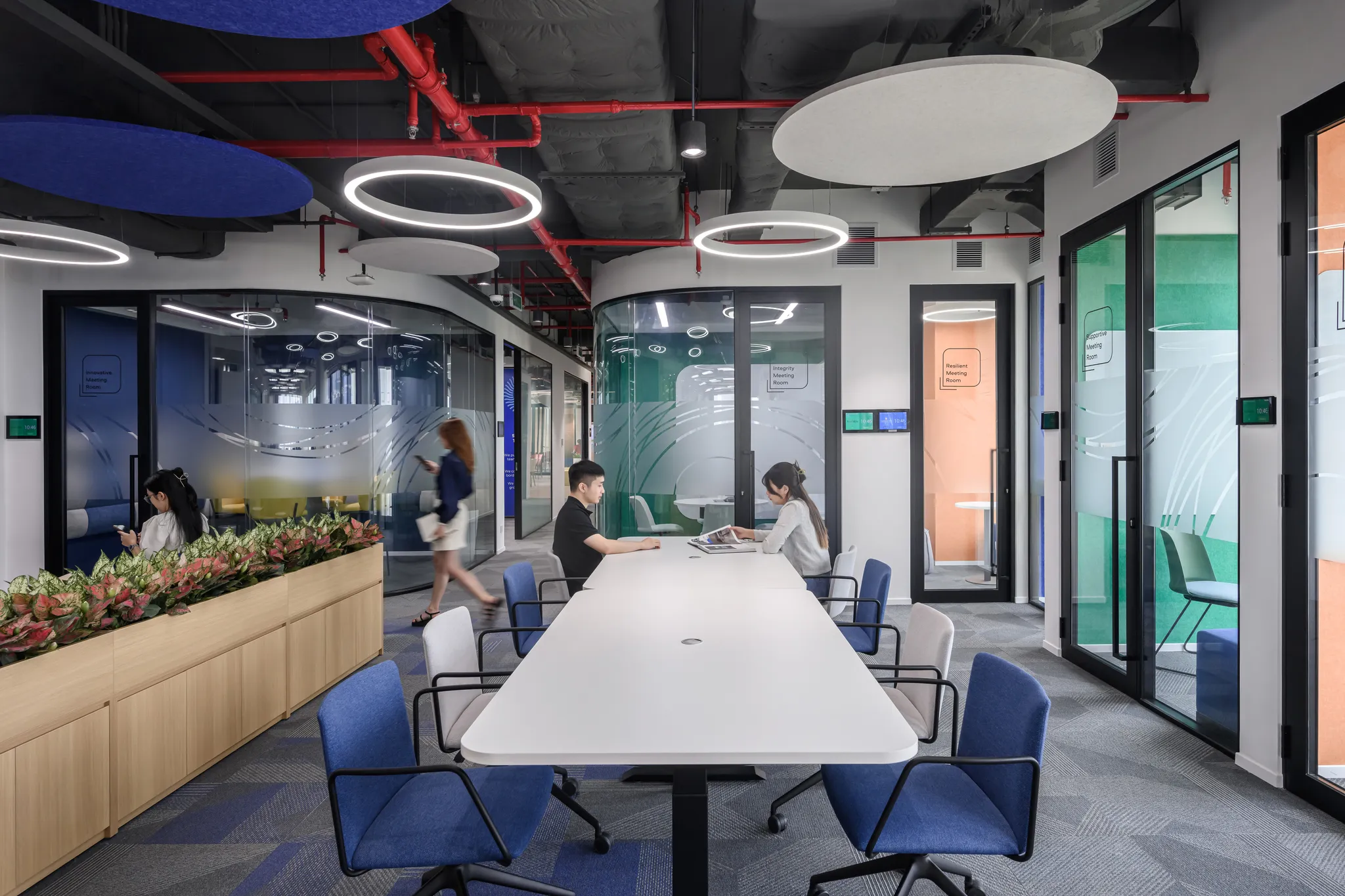
While open floor plans can foster transparency and collaboration, they can also increase stress if not balanced with private spaces. Harvard Business Review reports a 50% drop in face-to-face interactions in open-plan offices without adequate privacy settings. Creating designated quiet zones or private workspaces can help employees manage stress and maintain productivity by providing spaces for focused work and relaxation.
2. Integrating Natural Elements
Biophilic design, which incorporates natural elements into the workspace, can significantly reduce stress and enhance productivity. A study by the University of Oregon found that access to natural light, plants, and natural materials can improve mental health by up to 15%. Bringing nature into the office through greenery, natural light, and natural textures can create a calming atmosphere that supports employee well-being.
3. Creating Collaborative Spaces
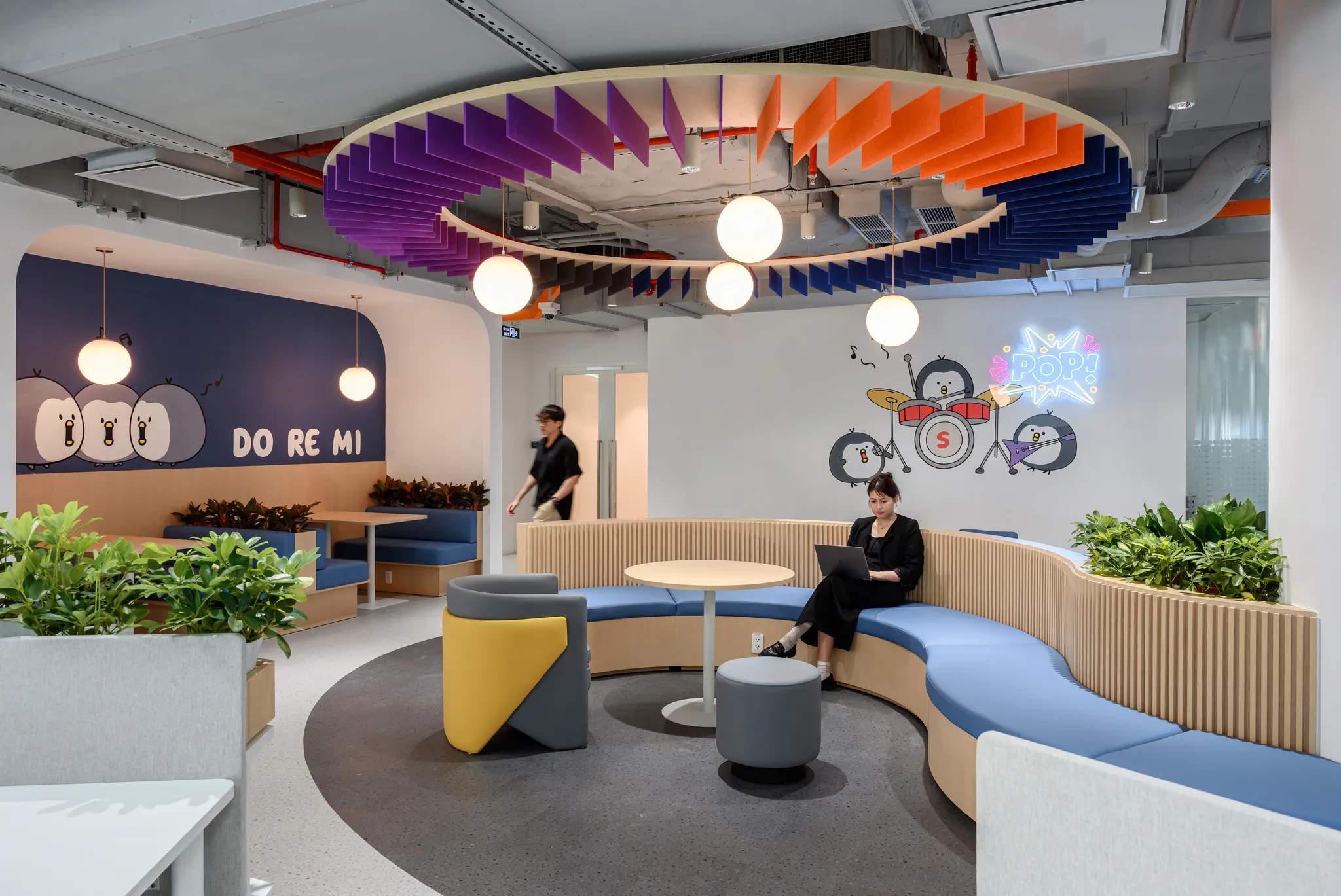
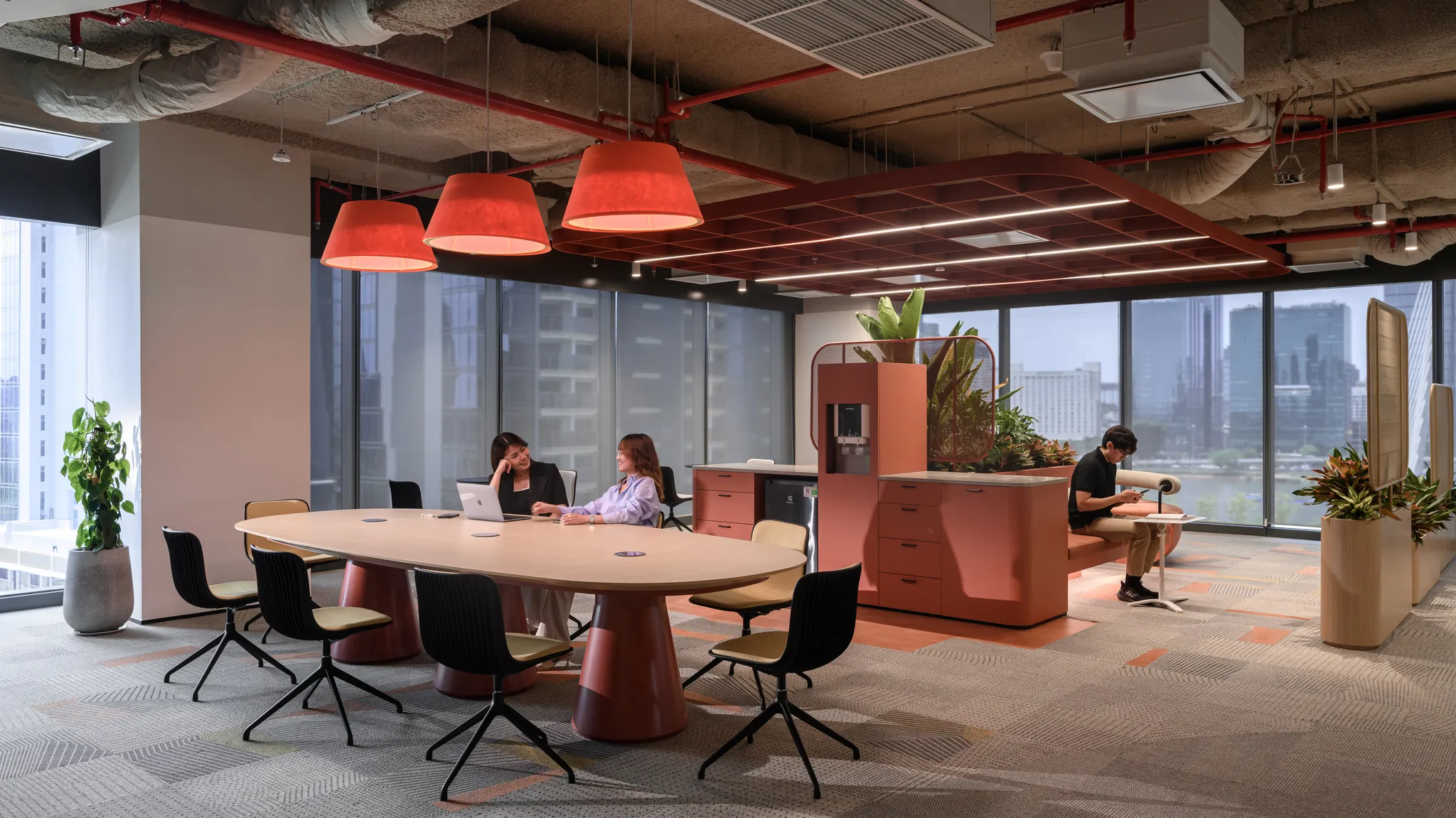
Designated collaboration areas can increase productive interactions by up to 20%, according to Gensler's Workplace Survey. These areas should be versatile and well-equipped, balancing the need for both interaction and concentration. Providing a variety of collaborative spaces, from small meeting rooms to large communal areas, can cater to different work styles and needs, fostering teamwork and innovation.
4. Encouraging Personalization
Personalized workspaces can increase feelings of well-being by 32% and productivity by 17%, according to a study by the University of Exeter. Allowing employees to personalize their work areas with personal items, colors, and decorations can make them feel more comfortable and valued, enhancing job satisfaction and performance.
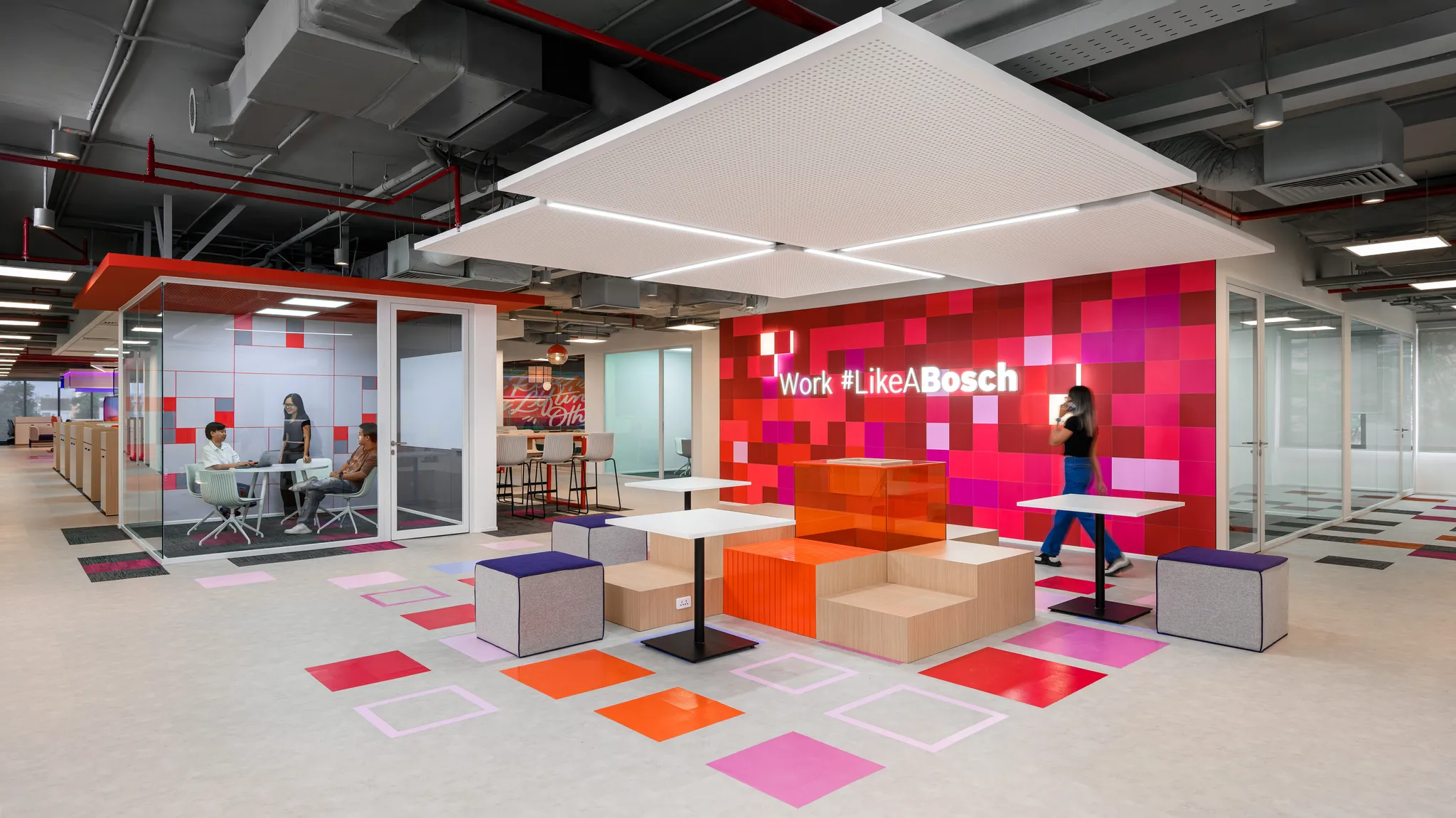
5. Utilizing Color Psychology
The use of specific colors can improve mood and productivity. A study by the University of Texas found that calming colors like blue and green can enhance efficiency and focus. Thoughtful use of color in office design can create a more pleasant and stimulating work environment, helping to reduce stress and boost creativity.
6. Prioritizing Ergonomics and Comfort
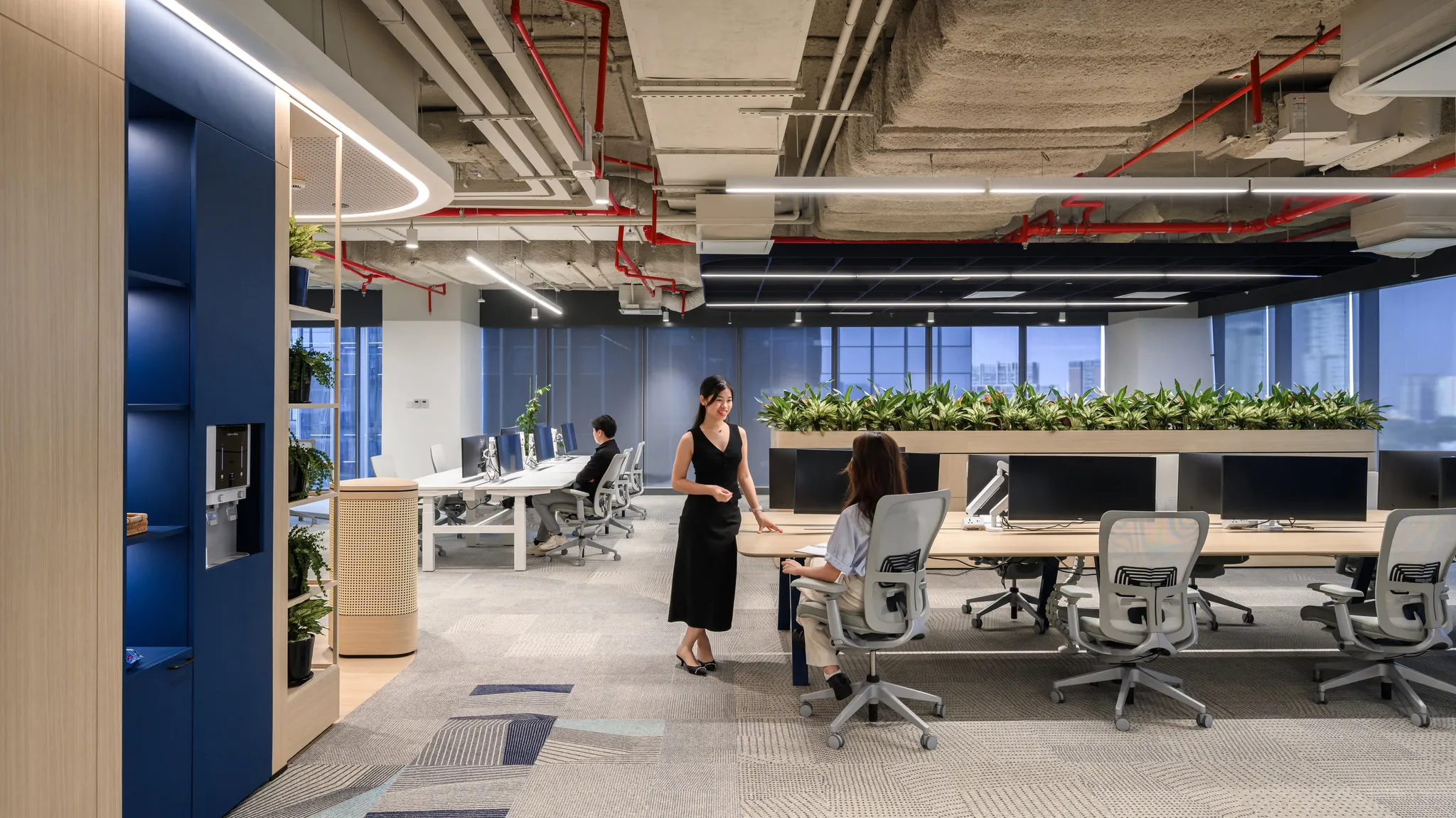
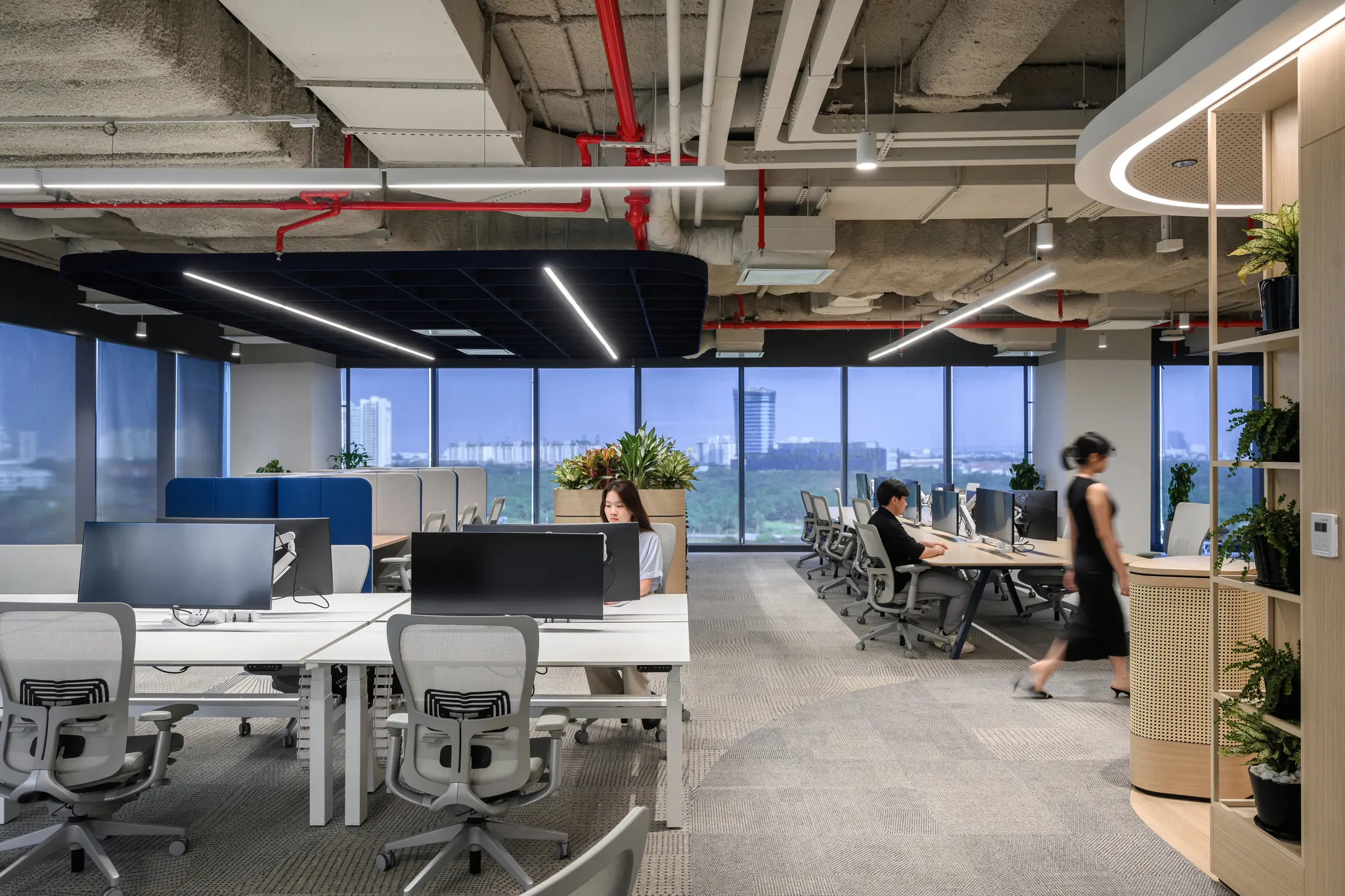
Ergonomic design is crucial for preventing work-related injuries and promoting long-term health. The Occupational Safety and Health Administration (OSHA) reports that ergonomic interventions can reduce work-related injuries by up to 45%. Providing adjustable chairs, desks, and monitor stands can help employees maintain good posture and reduce the risk of musculoskeletal problems, contributing to overall well-being.
Implementing Change
Implementing these design changes can be a phased process. Conducting employee surveys to gather feedback on their needs and preferences can guide the most effective interventions. Starting with small, impactful changes and gradually integrating more comprehensive redesigns can build momentum and demonstrate the benefits of a healthier workspace. Engaging employees in the design process can also foster a sense of ownership and commitment to maintaining a positive work environment.
Conclusion
The workplace is more than just a physical space; it plays a crucial role in determining mental and emotional well-being. At ADP Workplace, we are committed to creating environments that counteract toxicity and promote health, innovation, and productivity. By prioritizing thoughtful design, we can transform workplaces into sanctuaries of well-being and efficiency, driving Vietnam's businesses towards a brighter, healthier future. A healthy workplace is not only beneficial for employees but also for the overall success and sustainability of businesses.
Content
Share
Insights

25 Feb, 2025
5 mins read
Focus Boost: Elevating Productivity Through Smart Workplace Design
The modern workplace has evolved significantly, with open-plan offices becoming the norm for fostering collaboration and teamwork. However, while these layouts promote communication, they also introduce challenges—particularly the issue of noise and distractions. Employees often struggle to concentrate in an environment filled with constant movement, conversations, and workplace chatter.
13 May, 2024
4 mins read
Fostering Inclusivity: Building a Workplace Where Everyone Thrives
In today's business landscape, inclusivity extends far beyond mere diversity; it encompasses a strategic vision where every employee is actively engaged and valued. This enriched environment is not just an ethical choice but a business imperative that drives innovation and profitability.

01 Dec, 2025
2 mins read
How Does ADP Build the Largest Customer Service Teams in the Market?
The Handover Is Not the End, It’s the Beginning Many companies see the handover moment as the finish line. ADP sees it as the start of a new journey. Workplaces are living systems. Mechanical equipment ages, technologies evolve, teams grow, functions shift, departments change - a space that was perfect on day one may need adjustments six months later. While a project that ends at handover inevitably becomes a burden for clients, a project that continues through after-sales support becomes a lasting partnership. A Dedicated Team of Experts Behind Every Workplace Our Customer Service team is more than just support, it’s a backbone for every space we deliver. With 36 specialists across three branches, led by team leaders with over 10 years of experience, we have managed 600,000 sqm of workspace with precision and care. From unexpected storms to aging building systems, our experts are ready day or night to resolve complex issues, restore operations, and ensure every workplace continues to function seamlessly. This is the reliability and responsiveness that sets ADP apart. Proactive Maintenance Protects Employee Experience & Productivity Most others' customer service wait for problems to appear - then react. ADP’s approach is the opposite: we monitor proactively, with regular inspections, preventive maintenance, and continuous workspace optimization. This avoids sudden breakdowns, reduces downtime, and ensures employees always experience the space at its best, from lighting quality to air comfort and acoustics. Besides, a dedicated customer service team helps extend the lifecycle of every element in the office: furniture, equipment, mechanical systems, lighting, and layouts. This reduces waste, prevents premature renovation, and supports a more responsible approach to workspace management. Trust Built Through Everyday Reliability One of the most meaningful forms of feedback we receive is hearing how clients feel genuinely supported by our Customer Service team. This trust is echoed by long-term partners such as Shinhan Bank, PwC, Lynk & Co, TEC, and Columbia Sportswear, who rely on us not just for what we build, but for what we continue to care for. Their stories highlight the kind of service we strive to deliver. These aren’t extraordinary moments to us, they are part of the everyday commitment we bring to each client relationship. We are deeply grateful for their trust and remain steadfast in our promise to keep every workplace reliable, ready, and well cared for.


