
Activity based working the new workplace model to thrive the business and empower your employees
10 May, 2023
7 min read
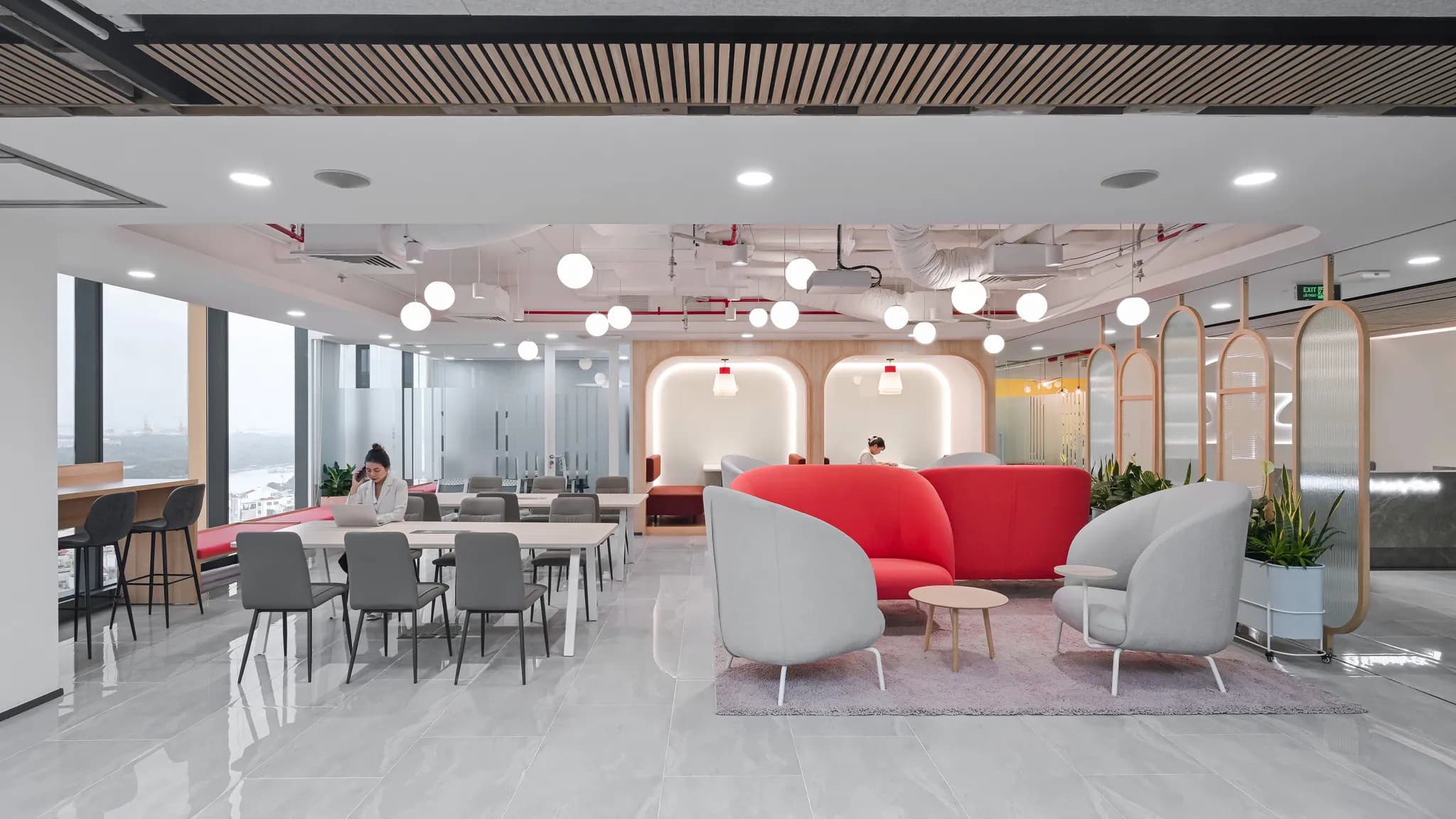
Activity-based workspaces (ABW) have become increasingly popular worldwide. A recent survey conducted by the CBRE Institute and CoreNet Global, with more than 100 Corporate Real Estate and Facilities, found that nearly 70% of companies expected to incorporate some degree of activity-based workplace design into their facilities in the near future. This article explore one of the latest working models in the world that can foster your business and employees.
About the ABW Model
Activity-based workspaces (ABW) have become increasingly popular worldwide, with many companies embracing this modern approach to workspace design. In a recent survey conducted by the CBRE Institute and CoreNet Global, more than 100 Corporate Real Estate and Facilities (CRE&F) leaders were interviewed about ABW. The survey found that nearly 70% of companies expected to incorporate some degree of activity-based workplace design into their facilities in the near future.
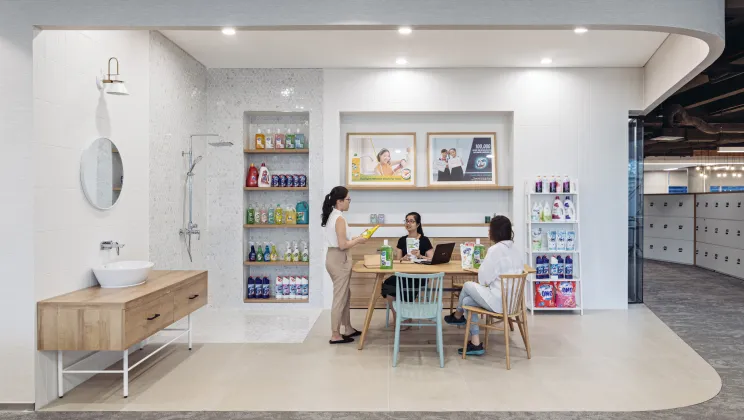
The driving factors behind this decision are concerns about the rising cost of commercial real estate, strategic alignment with company goals, and a focus on improved workplace collaboration. ABW design provides a one-to-one solution that emphasizes productivity, agility, and flexibility, all increasingly important traits in a globalized economy. Many companies around the world have discovered this firsthand and are using ABW to create more dynamic and effective workspaces.
Activity-Based Working (ABW), also known as Agile Working, is a modern approach to workspace design that allows employees to work where, when, and how it best suits them. In ABW, the workspace design has undergone significant changes from traditional office models, with a reduction in the number of fixed assigned desks and an increase in diverse functional spaces that are best suited for each employee's activities.
ABW design recognizes that each task requires a different type of workspace, and as such, it provides different areas for various activities, including spaces for focused work and collaboration. The ABW model also emphasizes flexibility, empowering employees to choose the type of workspace that best suits their working style and requirements.
Although traditional open-plan designs offer many benefits to companies and employees, they still have many drawbacks, such as excessive noise and a lack of privacy that can reduce productivity. The ABW model of workplace design has addressed these issues, making it one of the most ideal models for businesses.
Strengthen the connection and collaboration between employees
The adoption of the Activity-Based Working (ABW) model in the workplace has been found to be effective. This model involves reducing fixed seating arrangements in favor of functional areas, particularly those that encourage interaction. Employees are free to move around more, which provides more opportunities for them to engage with each other. According to a report by Steelcase, a renowned furniture design company, after implementing the ABW model, 17% more employees strongly agreed that they could meet and chat informally, and 9% fewer employees felt disconnected from their colleagues compared to before the change. By reducing fixed desk areas and adding more functional spaces, the workplace can encourage and support employee interaction and collaboration within their departments.

Increase productivity and foster efficiency at work
Creating an optimal workspace where employees feel inspired and motivated is crucial to helping them work more efficiently. Additionally, giving employees more autonomy over their workspace and schedule can help them choose the best environment for their current tasks and increase their sense of responsibility towards their work. At Steelcase, 80% of employees agreed that they have more choices about their workspace. Similarly, at ANZ bank, the decision-making time was reduced from 4 days to 4 hours, and their ABW implementation allowed their banking app to be completed six months ahead of schedule. By providing employees with a flexible and empowering work environment, they can work more effectively and efficiently, ultimately leading to better outcomes for the company.
Optimize the operation cost & office space
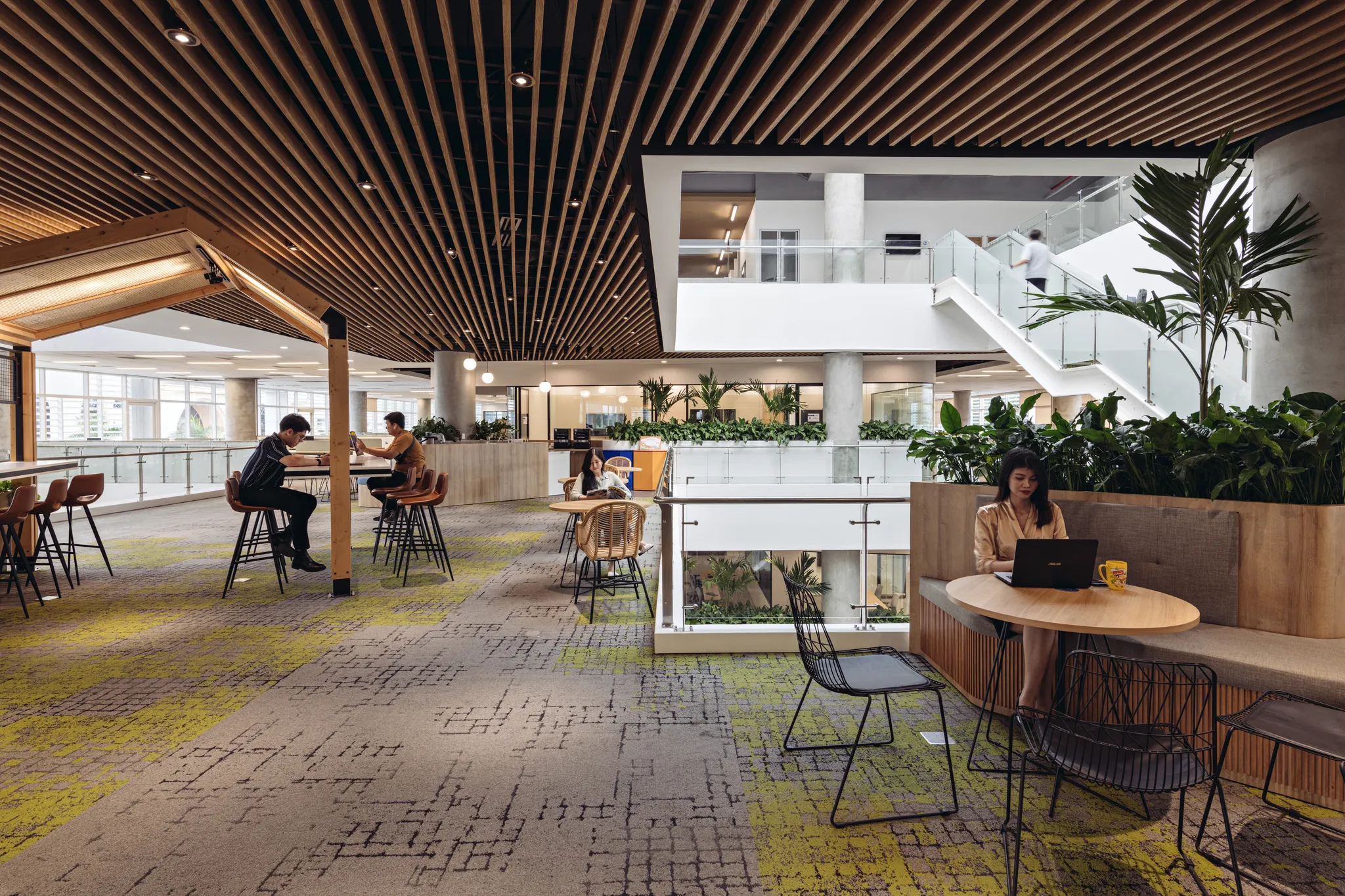
The ABW workplace design involves reducing the number of fixed desks that are typically used by only one employee, and instead creating shared areas that are more functional and conducive to interaction. This design allows companies to focus their investments on developing social hubs and shared facilities that optimize costs, rather than investing in individual workstations for each employee. An example of this is the open discussion area, which is equipped with a screen and whiteboard, located next to the photocopier for easy access. In 2008, Microsoft NL's office was redesigned using the ABW model, featuring communal workspaces, individual workstations, meeting rooms, auditoriums, coffee shops, dining areas, lounges, and sleep pods on the first floor, and a mix of open and enclosed spaces on the remaining floors. As a result, Microsoft NL experienced a 25% productivity gain and a 30% reduction in real-estate costs.
Attract & retain talents
A recent Deloitte study found that 84% of millennials reported some degree of flexible working within their workplaces, indicating that ABW and agile working environments are increasingly popular among the younger workforce. By implementing ABW, organizations can attract and retain the best new talent while creating a more productive and positive work environment for all employees.
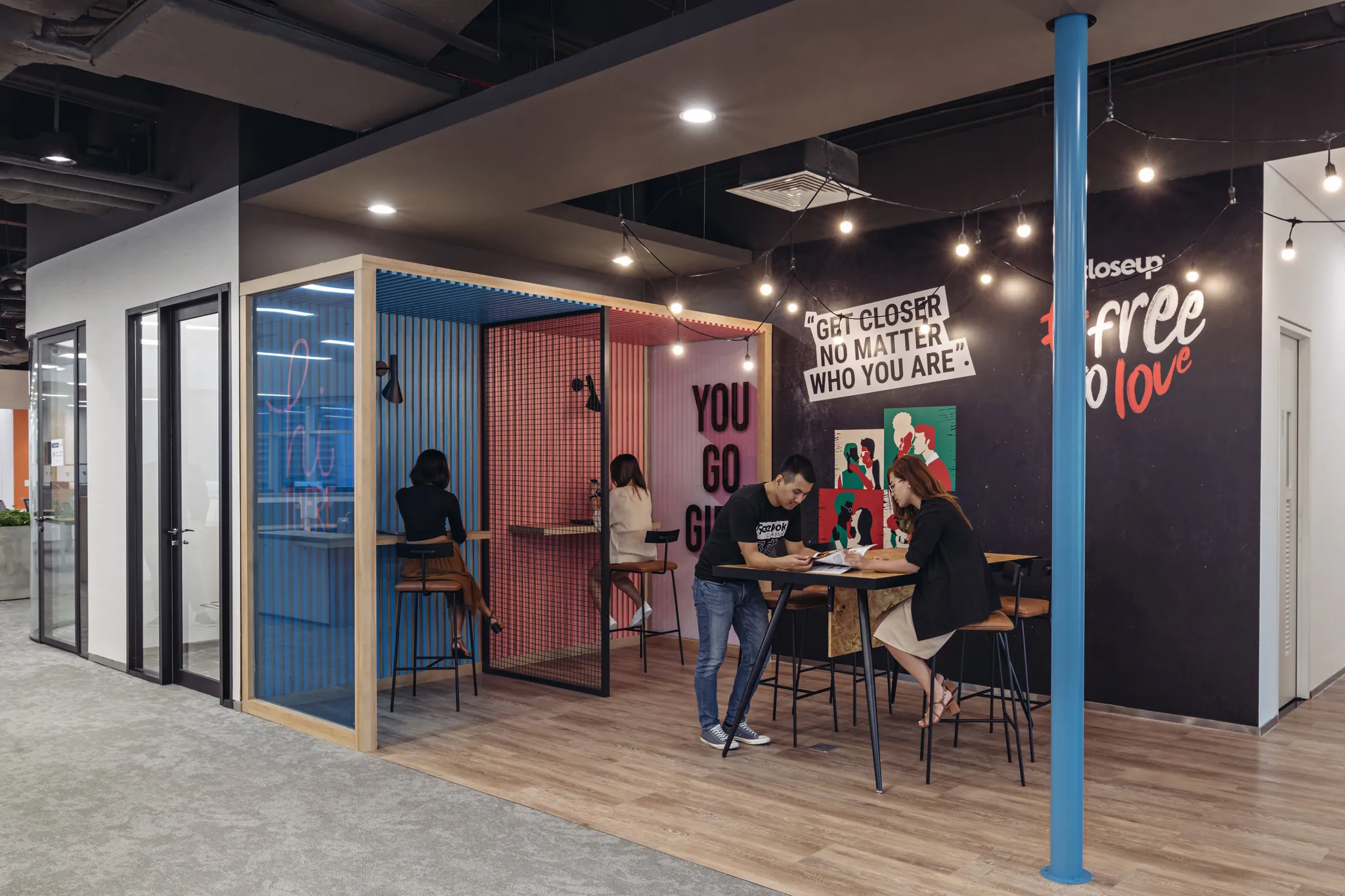
Overall, ABW is a modern approach to workspace design that is designed to provide employees with a more flexible, functional, and interactive workspace. By creating a more open, dynamic, and inspiring environment, ABW encourages employee engagement, creativity, and productivity, leading to a more efficient and successful company.
Content
Share
Insights

25 Feb, 2025
5 mins read
Focus Boost: Elevating Productivity Through Smart Workplace Design
The modern workplace has evolved significantly, with open-plan offices becoming the norm for fostering collaboration and teamwork. However, while these layouts promote communication, they also introduce challenges—particularly the issue of noise and distractions. Employees often struggle to concentrate in an environment filled with constant movement, conversations, and workplace chatter.
13 May, 2024
4 mins read
Fostering Inclusivity: Building a Workplace Where Everyone Thrives
In today's business landscape, inclusivity extends far beyond mere diversity; it encompasses a strategic vision where every employee is actively engaged and valued. This enriched environment is not just an ethical choice but a business imperative that drives innovation and profitability.

01 Dec, 2025
2 mins read
How Does ADP Build the Largest Customer Service Teams in the Market?
The Handover Is Not the End, It’s the Beginning Many companies see the handover moment as the finish line. ADP sees it as the start of a new journey. Workplaces are living systems. Mechanical equipment ages, technologies evolve, teams grow, functions shift, departments change - a space that was perfect on day one may need adjustments six months later. While a project that ends at handover inevitably becomes a burden for clients, a project that continues through after-sales support becomes a lasting partnership. A Dedicated Team of Experts Behind Every Workplace Our Customer Service team is more than just support, it’s a backbone for every space we deliver. With 36 specialists across three branches, led by team leaders with over 10 years of experience, we have managed 600,000 sqm of workspace with precision and care. From unexpected storms to aging building systems, our experts are ready day or night to resolve complex issues, restore operations, and ensure every workplace continues to function seamlessly. This is the reliability and responsiveness that sets ADP apart. Proactive Maintenance Protects Employee Experience & Productivity Most others' customer service wait for problems to appear - then react. ADP’s approach is the opposite: we monitor proactively, with regular inspections, preventive maintenance, and continuous workspace optimization. This avoids sudden breakdowns, reduces downtime, and ensures employees always experience the space at its best, from lighting quality to air comfort and acoustics. Besides, a dedicated customer service team helps extend the lifecycle of every element in the office: furniture, equipment, mechanical systems, lighting, and layouts. This reduces waste, prevents premature renovation, and supports a more responsible approach to workspace management. Trust Built Through Everyday Reliability One of the most meaningful forms of feedback we receive is hearing how clients feel genuinely supported by our Customer Service team. This trust is echoed by long-term partners such as Shinhan Bank, PwC, Lynk & Co, TEC, and Columbia Sportswear, who rely on us not just for what we build, but for what we continue to care for. Their stories highlight the kind of service we strive to deliver. These aren’t extraordinary moments to us, they are part of the everyday commitment we bring to each client relationship. We are deeply grateful for their trust and remain steadfast in our promise to keep every workplace reliable, ready, and well cared for.


